

Introduction: The Growing Trend of Pet Adoption in India
In recent years, India has witnessed a heartwarming transformation as more families across cities and towns are opening their homes to adopted pets. This growing trend is not only bringing joy and companionship to countless households but also marking a significant step forward for animal welfare in the country. The concept of “adopt, dont shop” is gaining traction, especially among younger generations in metropolitan areas like Mumbai, Bengaluru, Delhi, and Hyderabad, as well as in smaller towns. As people become increasingly aware of the plight of stray animals and the benefits of responsible pet ownership, adoption rates are steadily rising. This shift towards adoption means that more rescued dogs and cats are finding loving families instead of spending their lives on the streets or in shelters. For families, adopting a pet brings emotional fulfillment, teaches compassion to children, and creates lasting bonds. For the animals themselves, it offers a second chance at life and happiness. This positive change also highlights the growing importance of accessible veterinary services tailored for adopted pets—ensuring their health, wellbeing, and smooth integration into new homes. As we celebrate this progress in Indian society, it becomes crucial to discuss how quality veterinary care plays a central role in supporting both pets and their adoptive families.
Essential Veterinary Services for Adopted Pets
When you bring home a rescued or adopted pet in India, providing timely and essential veterinary care is crucial for their well-being. Indian conditions—such as climate, prevalence of certain diseases, and cultural practices—make some veterinary services especially important for new pet parents. Ensuring proper medical attention not only helps your furry friend live a healthier life but also protects your family and community from potential zoonotic diseases.
Must-Have Veterinary Care for Adopted Pets
| Service | Why It Matters (India-specific) | Recommended Timing |
|---|---|---|
| Vaccinations | Protects against rabies, canine distemper, parvovirus, and other common diseases; required by law in many states for rabies | Puppies/kittens: Start at 6-8 weeks; annual boosters |
| Deworming | High prevalence of intestinal worms due to India’s tropical climate and stray animal exposure; prevents transmission to humans (especially children) | First dose at adoption; repeat every 3-6 months |
| Sterilisation (Spaying/Neutering) | Controls stray population, reduces risk of reproductive cancers, helps manage street animal issues in Indian cities | Usually done at 5-6 months of age or as advised by vet |
| Regular Health Checks | Early detection of diseases common in Indian environments (tick fever, mange, skin infections); guidance on nutrition and preventive care | At least once every 6-12 months |
Additional Considerations in the Indian Context
- Ticks & Fleas: Due to the warm climate, routine checks and prevention are a must.
- Nutritional Advice: Many adopted pets may have been malnourished; a vet can suggest diets suitable for local breeds like Indie dogs or community cats.
- Cultural Sensitivity: Seek vets who understand local customs and can advise on both traditional and modern care options.
Your Commitment Makes a Difference!
By ensuring your adopted pet receives these essential veterinary services, you set an example for responsible pet parenting in India. Together, we can create a healthier environment for our animals and communities while promoting the beautiful message: #AdoptDontShop.
3. Why Veterinary Care Matters: Benefits for Pets and Families
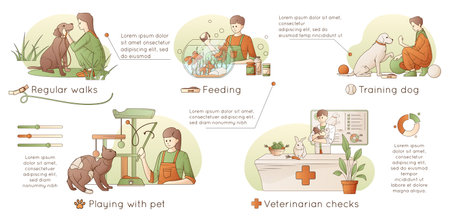
Timely veterinary care is crucial for the health and happiness of adopted pets in India, and it also brings immense benefits to the families who welcome them into their homes. Regular visits to a trusted vet help detect health issues early, ensuring that pets receive immediate treatment and can enjoy a longer, healthier life. In Indian cities and rural communities alike, many adopted animals may have experienced challenging conditions before finding a loving home, making preventive care such as vaccinations, deworming, and check-ups even more important.
For families, responsible pet care fosters a stronger bond with their new companions. Children learn compassion and empathy by caring for animals, while adults experience the joy of providing a safe haven for their furry friends. When pets are healthy and happy, they display playful behaviour, affection, and loyalty—qualities that enrich family life and bring daily joy. Moreover, investing in veterinary services reduces the risk of zoonotic diseases (those that can pass from animals to humans), creating a safer environment for everyone at home.
In India’s diverse cultural landscape, adopting pets is often seen as an act of kindness aligned with the values of seva (selfless service) and daya (compassion). By ensuring regular vet care, families not only honour these traditions but also set an example in their communities about the importance of animal welfare. When adopted pets thrive under proper care, they become ambassadors for adoption and encourage others to open their hearts and homes to animals in need.
4. Addressing Common Myths and Challenges in Indian Communities
When it comes to adopting pets in India, several myths and challenges often prevent families from seeking timely veterinary care. It is important to clarify these misconceptions to ensure the well-being of adopted animals and promote responsible pet ownership across Indian communities.
Debunking Popular Myths about Veterinary Expenses
One of the most common concerns is that veterinary services are expensive and unaffordable for the average family. However, this is not always true. Many NGOs, animal welfare organisations, and government-run hospitals offer affordable or even free veterinary care for adopted pets. Heres a comparison to help understand the available options:
| Type of Facility | Services Provided | Cost Range (Approx.) |
|---|---|---|
| Private Veterinary Clinics | Consultations, Vaccinations, Surgeries, Emergency Care | Medium to High |
| NGO Clinics (e.g., Blue Cross, CUPA) | Basic Health Checks, Vaccinations, Sterilisation | Low to Moderate/Free for Rescued Pets |
| Government Veterinary Hospitals | All Basic Services, Subsidised Medicines & Treatments | Very Low/Subsidised |
The Truth about Traditional Home Remedies vs Professional Care
In many Indian households, traditional home remedies have been passed down generations for treating pet illnesses. While some may provide temporary relief, they are not a substitute for professional veterinary care. Relying solely on home remedies can delay necessary treatments and sometimes worsen the condition of pets.
Why Professional Veterinary Care Is Essential:
- Accurate Diagnosis: Vets use proper diagnostic tools to identify issues.
- Vaccination & Preventive Care: Protects against diseases like rabies and parvovirus.
- Sterilisation & Population Control: Reduces stray animal population humanely.
- Pain Management & Recovery: Ensures comfort during illness or injury.
Affordable Options: Making Veterinary Services Accessible for All
The Indian government, along with several NGOs, has taken steps to make veterinary services more accessible. Some initiatives include mobile vet clinics in rural areas, vaccination drives at subsidised rates, and helplines for emergency advice. Adopters are encouraged to connect with local NGOs or visit government hospitals for affordable care rather than avoiding essential treatments due to cost worries.
Together, we can build healthier communities by ensuring every adopted pet receives the love and medical attention they deserve.
5. Role of Animal Welfare Organisations in Adoption Support
In India, animal welfare organisations, NGOs, and local shelters play a pivotal role in supporting new pet parents throughout the adoption journey. These dedicated groups not only facilitate the adoption process but also provide crucial guidance on post-adoption veterinary care. Indian NGOs such as Blue Cross of India, People For Animals (PFA), and countless regional shelters act as pillars of support for families welcoming rescued pets into their homes.
These organisations conduct regular awareness drives and vaccination camps, making essential healthcare services accessible to adopted animals even in rural or semi-urban areas. Community groups often collaborate with local veterinarians to offer discounted treatments, free health check-ups, and advice on responsible pet parenting. This support ensures that every adopted dog, cat, or indie breed receives timely vaccinations, deworming, and spaying/neutering—key steps in maintaining their health and curbing the stray population.
Moreover, animal welfare organisations empower new pet parents by offering educational workshops about nutrition, parasite prevention, and early signs of illness specific to India’s climate and environment. By promoting a culture of compassion and responsibility, these groups help bridge the gap between adopters and accessible veterinary care. Their ongoing commitment strengthens the bond between humans and animals while fostering a healthier community for all creatures.
Community Awareness: Spreading Knowledge and Compassion
In India, creating awareness within local communities about responsible pet care is crucial for ensuring the well-being of adopted animals. Many families may not be fully aware of the importance of regular veterinary check-ups, vaccinations, and preventive healthcare. By educating people in urban and rural areas alike, we can empower pet owners to provide healthier lives for their furry companions.
Vaccination drives and free health camps organised by NGOs, animal welfare groups, and veterinary clinics play a vital role in reaching out to pet parents across the country. These initiatives not only protect pets from life-threatening diseases like rabies, parvovirus, and distemper but also foster a sense of community responsibility. When more people understand the benefits of timely vaccinations and routine vet visits, the overall health of both pets and public spaces improves.
Furthermore, spreading knowledge about the emotional bonds between pets and families helps dispel myths and encourages compassion. Adopting a pet is a lifelong commitment that brings joy, companionship, and learning into Indian households. Community-driven education programmes—whether through schools, social media campaigns, or local events—encourage empathy towards animals and inspire positive change.
By promoting responsible pet ownership, regular veterinary care, and community support, we lay the foundation for a compassionate society where every adopted pet in India receives the love and care it deserves.