
Introduction to Pet Birds in Indian Households
Across the vibrant tapestry of Indian homes, pet birds have always found a special place. From the melodious mynahs and parrots to the colourful lovebirds and budgerigars, these winged companions are cherished by families from Kashmir to Kanyakumari. In India, keeping pet birds is not just a matter of companionship or leisure; it is deeply rooted in tradition and everyday life. For many Indian households, especially those in cities like Mumbai, Delhi, and Kolkata, waking up to the chirping of their beloved feathered friends is a daily delight. Beyond their beauty and songs, pet birds often symbolise luck, prosperity, and harmony within the home. Their presence is woven into the rituals and routines that define family life—being considered as good omens during festivals and significant occasions. The importance given to these birds goes far beyond that of regular pets: they are treated as family members, included in prayers, and even given special offerings during certain festivals. This traditional bond has ensured that pet birds continue to be an integral part of Indian culture, making their role in celebrations all the more significant.
Historical and Mythological Relevance of Birds in Indian Culture
Birds hold a unique place in the tapestry of Indian culture, their significance deeply woven into the subcontinent’s ancient history, mythology, and religious traditions. From the sacred texts to age-old legends passed down generations, birds are often seen as symbols of spirituality, wisdom, and divine connection. Exploring these stories reveals why pet birds are more than just companions—they are living reminders of India’s rich cultural heritage.
Birds in Indian Scriptures and Epics
Many ancient Indian scriptures mention birds in relation to gods, goddesses, and important moral lessons. In Hinduism, for example, Garuda—the mighty eagle—is revered as Lord Vishnu’s vahana (vehicle), representing strength and loyalty. Similarly, the peacock is associated with Saraswati, the goddess of wisdom and learning. These references make birds an integral part of rituals and festive celebrations across various regions.
| Bird | Associated Deity/Legend | Cultural Symbolism |
|---|---|---|
| Peacock | Saraswati & Kartikeya | Beauty, Wisdom, Prosperity |
| Parrot | Kamadenu & Meenakshi | Love, Fertility, Messenger |
| Garuda (Eagle) | Vishnu | Strength, Protection |
| Swan (Hamsa) | Brahma & Saraswati | Purity, Knowledge |
The Role of Birds in Indian Legends
Folktales from different states feature birds as wise advisors or loyal friends who help humans overcome obstacles. The famous story of “Shuka” (the parrot) in Sanskrit literature highlights the bird’s role as a clever companion and storyteller. Such tales reinforce why birds are cherished during festivals: they embody qualities Indians aspire to celebrate—devotion, intelligence, and harmony with nature.
Influence on Festival Customs
This historical reverence translates directly into festival customs today. Whether it is letting parrots recite prayers during Pongal in Tamil Nadu or decorating homes with peacock motifs during Diwali, these practices have roots in centuries-old beliefs about the auspicious presence of birds. Thus, having pet birds at home during festivals is not just a tradition but an expression of faith in their spiritual significance.
3. Role of Pet Birds in Key Indian Festivals
Across India’s vibrant cultural landscape, pet birds have found a unique place in the celebrations of various festivals, reflecting the deep bond between people and nature. During Makar Sankranti, especially in states like Gujarat and Maharashtra, the sky fills with colourful kites – but it is also a time when families bring out their pet parrots and mynas to enjoy the pleasant weather. Children often show off their feathered friends, feeding them special treats like millet or sunflower seeds, believing that caring for birds during this season brings good luck and prosperity.
In South India, during Pongal, it is common for households to include pet birds in their festivities. The festival itself is a thanksgiving to nature, cattle, and harvest, so feeding pet birds is seen as an auspicious act. Many families hang small pots of grains outside their homes for both their pet and wild birds to share in the abundance. This gesture symbolises harmony and respect towards all living beings.
Diwali, the festival of lights, is another occasion where pet birds are given special attention. While traditional lamps and sweets are exchanged among family members, some families also decorate bird cages with marigold garlands and offer fruits to their pets. In regions like Rajasthan and Uttar Pradesh, gifting ornamental birds such as lovebirds or budgerigars has become increasingly popular as a symbol of new beginnings and happiness.
Other regional festivals such as Lohri in Punjab or Bihu in Assam also see similar practices. In rural areas, children may organize playful bird singing competitions or teach their parakeets simple greetings in Hindi or local languages, showcasing their talents to neighbours and guests.
These festival traditions not only highlight the affection Indian families hold for their pet birds but also serve as a reminder of ancient customs where birds were considered messengers of fortune and wellbeing. Through these rituals, pet birds become more than companions—they are celebrated as vital participants in India’s rich tapestry of festivals.
4. Popular Pet Bird Species Seen in Festivals
During Indian festivals, certain pet bird species are particularly prominent and hold a special place in the celebrations. Their presence is not only aesthetic but also deeply rooted in tradition and beliefs. Below, we discuss some of the most popular birds—parrots, mynas, and pigeons—that often make appearances during major cultural events across India.
Parrots: Vibrant Messengers of Auspiciousness
Parrots are widely loved in Indian households and are frequently associated with good fortune. Their green plumage symbolizes prosperity and harmony, making them popular during festivals like Diwali and Holi. In many regions, parrots are believed to bring blessings and positive energy into the home. Additionally, their ability to mimic human speech adds an element of entertainment and interaction at festive gatherings.
Mynas: Symbolic Voices of Celebration
Mynas are admired for their melodious calls and intelligence. In South India, these birds are seen as harbingers of joy, often featured in local folklore and stories narrated during festivals such as Pongal or Onam. Their presence is thought to enhance the celebratory mood, as they symbolize happiness and togetherness among families and communities.
Pigeons: Emblems of Peace and Unity
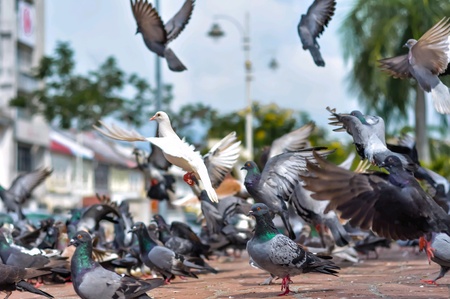
Pigeons have a long-standing association with peace and spirituality in Indian culture. Releasing pigeons during festivals like Makar Sankranti or Ganesh Chaturthi is a common practice symbolizing freedom and unity. Pigeons are also revered for their loyalty to their home, reflecting familial bonds that are celebrated during festive times.
Common Pet Birds Featured in Indian Festivals
| Bird Species | Cultural Significance | Popular Festivals |
|---|---|---|
| Parrot | Prosperity, Good Fortune, Entertainment | Diwali, Holi, Raksha Bandhan |
| Myna | Joy, Togetherness, Melody | Pongal, Onam, Baisakhi |
| Pigeon | Peace, Unity, Spirituality | Makar Sankranti, Ganesh Chaturthi, Eid |
In Everyday Life: Local Observations
In many Indian towns and cities, it is common to see families keeping these birds as pets throughout the year. During festival seasons, the care routines for these birds become more elaborate—special seeds or sweets may be offered as part of religious rituals. Street vendors often sell beautiful cages decorated with marigolds or colourful ribbons specifically for festival use. It’s not unusual to hear children imitating parrot calls or listening to mynas sing early in the morning before festival prayers begin. These daily interactions reflect how pet birds are woven into both festive traditions and everyday life in India.
5. Symbolism and Local Beliefs Attached to Birds
Across India, pet birds are not merely ornamental or sources of companionship; they are steeped in centuries-old symbolism and beliefs that vary from region to region. In many Indian households, the presence of certain birds is considered auspicious, while others may be linked to specific omens or superstitions. For example, parrots are often associated with love and prosperity in North Indian communities, with their green feathers representing fertility and growth. It is a common belief in some parts of Rajasthan that if a parrot visits one’s home during Diwali, it will bring good luck for the coming year.
Similarly, mynahs are revered for their ability to mimic human speech, symbolizing harmony and effective communication within families. Among Tamil communities, it is customary to keep lovebirds as pets during Pongal festivities, as they are thought to bring unity and happiness into the household. In Kerala, doves are seen as messengers of peace, and releasing them during Onam is an age-old practice believed to invite blessings from ancestors.
However, not all bird-related customs are positive. Certain superstitions caution against keeping owls as pets, particularly in Bengal and Odisha, where owls are traditionally seen as harbingers of misfortune unless worshipped properly during Lakshmi Puja. Meanwhile, the melodious singing of caged canaries or bulbuls is believed by some Gujarati families to ward off evil spirits and negative energy during Navratri celebrations.
These diverse beliefs highlight how pet birds occupy a unique place in the spiritual fabric of Indian society. Often passed down through generations, such customs influence daily interactions with birds—shaping how they are cared for, displayed during festivals, or even released as part of ritualistic practices. Whether as symbols of hope or cautionary figures in local folklore, pet birds continue to enrich Indian festivals with layers of cultural meaning that go far beyond their physical beauty.
6. Modern Perspectives: Bird Welfare and Changing Practices
In recent years, India has witnessed a growing conversation about animal welfare, especially in the context of pet birds during festivals. Traditionally, keeping colourful birds like parrots, mynas, or lovebirds was seen as a symbol of joy and prosperity during celebrations such as Diwali, Makar Sankranti, and Holi. However, with increasing awareness about animal rights and the importance of responsible pet ownership, many Indian families are rethinking these customs.
The Shift Towards Responsible Pet Ownership
Modern urban Indians are more conscious about their pets’ needs, influenced by social media campaigns and NGOs working for animal welfare. There’s a visible shift from viewing birds as decorative items or status symbols to recognising them as sentient beings deserving care and respect. Many households now ensure their pet birds have proper cages, nutritious food (like millets and fresh fruits), and regular vet check-ups—even during busy festival times.
Animal Rights Movements in India
Organisations such as PETA India and Blue Cross of India have played a crucial role in educating people about the ethical treatment of animals. These groups often run special drives around major festivals, reminding people not to buy or gift exotic birds impulsively. They also highlight that capturing wild birds for sale is illegal under the Wildlife Protection Act, 1972—a fact sometimes overlooked in traditional practices.
Sustainable Ways to Celebrate Festivals with Pet Birds
As attitudes change, so do festival practices. Many Indians now avoid releasing captive birds during religious rituals—an act once believed to bring good karma but now understood to harm bird populations and biodiversity. Instead, families focus on creating safe spaces at home for their feathered friends. Eco-friendly celebrations include using natural decorations instead of synthetic ones that might harm pets, reducing loud noises from crackers which can distress birds, and sharing educational messages on social media about bird welfare.
This modern perspective marks a positive step towards balancing cultural traditions with compassion. By making small changes, Indian communities can celebrate their rich heritage while ensuring that their beloved pet birds thrive happily alongside them during every festival.
7. Conclusion: Continuing the Tradition with Compassion
As we reflect on the vibrant role that pet birds play in Indian festivals, it becomes evident that their presence is deeply woven into our cultural tapestry. From the melodious songs of parakeets during Diwali to the symbolic flight of pigeons at Makar Sankranti, these feathered companions have brought joy, colour, and spiritual meaning to countless celebrations across India’s diverse regions. Their significance is not only rooted in ancient traditions but also in the values of harmony, prosperity, and good fortune that they represent for families and communities.
However, as times change and awareness grows about animal welfare, it is important for us to celebrate with compassion and responsibility. Traditional practices involving pet birds can continue to be cherished, provided they are adapted to ensure the wellbeing of our avian friends. This means choosing ethical sources for birds, providing proper care, and respecting their natural behaviours—values that resonate with India’s age-old emphasis on ahimsa (non-violence) and respect for all living beings.
Let us encourage each other to keep these beautiful customs alive while embracing modern understandings of animal care. By doing so, we not only honour our heritage but also pass down meaningful, considerate practices to future generations. May every festival remain a joyful occasion for both humans and birds alike—a celebration rich in culture, tradition, and kindness.