
Introduction: The Role of Pets in Senior Citizens Lives in India
In India, family is often at the core of emotional support for senior citizens, but changing lifestyles and urban migration can sometimes leave elders feeling isolated. In this context, pets have emerged as cherished companions that bring immense value to elderly Indians. The presence of a pet—whether it is a gentle dog, a low-maintenance cat, or even a talkative parrot—can significantly enhance emotional well-being by providing daily companionship and a renewed sense of purpose. For many seniors living alone or with limited family interaction, pets become trusted friends who listen without judgment and offer unconditional affection. This bond not only alleviates loneliness but also aligns with Indian cultural values that emphasise nurturing, care, and togetherness. With the right choice of pet tailored to local climate, available space, and traditional beliefs about animals, elderly Indians can enjoy improved mental health, reduced stress levels, and a more active lifestyle. The cultural significance of animals in Indian households further deepens the emotional connection between seniors and their pets, making them an ideal source of joy and comfort during the golden years.
Key Considerations When Choosing a Pet for Seniors
When selecting an ideal pet for elderly individuals in India, it is important to weigh several factors that directly affect the well-being of both the senior and their new companion. The Indian context, with its unique living arrangements and cultural values, plays a significant role in this decision-making process. Below are the primary considerations:
Health Status of the Elderly
The physical health and mobility of seniors should be the first consideration. Those with chronic conditions such as arthritis, diabetes, or limited mobility may need low-maintenance pets that do not require daily walks or strenuous activities. Allergies are also common—so hypoallergenic pets may be preferable.
Activity Level and Lifestyle Fit
Seniors with an active lifestyle might enjoy interactive pets like dogs or birds, while those preferring calm and quiet environments may find cats or fish more suitable. Matching the energy level of the pet with the owner’s routine ensures a harmonious companionship.
Type of Living Space
India’s urban landscape offers a variety of living spaces—ranging from compact apartments to independent houses with gardens. The available space greatly influences pet choice. Here’s a quick comparison:
| Pet Type | Apartment | Independent House |
|---|---|---|
| Small Dogs (e.g., Pug) | Suitable | Highly Suitable |
| Cats | Highly Suitable | Suitable |
| Fish/Aquarium Pets | Highly Suitable | Highly Suitable |
| Birds (e.g., Budgies) | Suitable | Suitable |
| Large Dogs (e.g., Labrador) | Less Suitable | Highly Suitable |
Support Systems in Indian Households
Many Indian families have domestic help or live in joint family setups, which can ease pet care responsibilities for seniors. However, single elders or nuclear families might need pets that require less daily maintenance.
Cultural and Social Factors
Pets are often viewed as family members in India, but religious beliefs and traditional practices may influence the type of animals considered acceptable as house pets. For example, some communities may avoid keeping dogs indoors or prefer vegetarian pets like rabbits.
The Bottom Line
Selecting a pet involves balancing emotional needs with practical realities. Considering health, activity level, available space, and household support systems ensures that both the senior and their new companion experience a joyful and stress-free relationship.

3. Top Pet Choices for Elderly in India
Indian Breed Dogs: Loyal Companions with Local Adaptability
For elderly individuals in India, Indian breed dogs such as the Indian Pariah, Rajapalayam, and Mudhol Hound are excellent choices. These breeds are naturally adapted to the local climate and require less intensive care compared to foreign breeds. Indian Pariah dogs, in particular, are low-maintenance, healthy, and known for their gentle temperament. They thrive on basic home-cooked meals like roti and rice mixed with milk or curd, making them economical companions who can easily fit into traditional Indian households.
Cats: Independent Yet Affectionate Partners
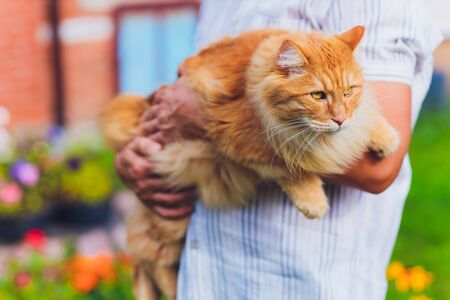
Cats are ideal pets for seniors who desire companionship but prefer a pet that is relatively independent. Indian street cats and breeds like the Persian or Siamese (locally available) adapt well to apartment living and do not require frequent walks. They are generally content with routine feeding—simple fish curry leftovers or milk—and offer warmth and gentle affection without being too demanding. Their calm presence and self-sufficiency make them especially suitable for elderly people living alone.
Birds: Colourful Chirps and Cheerful Company
For those who enjoy melodious sounds and vibrant colours, birds such as budgerigars (budgies), lovebirds, and Indian ringneck parakeets are wonderful options. Budgerigars are small, easy to care for, and thrive on seeds, millets, and fresh fruits commonly available in Indian markets. Their playful nature brings life to any home, while their cages require minimal cleaning—making them a practical choice for seniors seeking hassle-free companionship.
Fish: Serene Beauty with Minimal Upkeep
Aquarium fish like goldfish or guppies provide tranquil beauty without demanding much time or energy from their owners. Setting up a small tank at home can be both therapeutic and visually pleasing. Most common fish species in India need simple feeding schedules using pellets or homemade feed (like cooked peas), with only weekly tank cleaning required. For seniors who appreciate calmness and wish to avoid noise or fur, fish offer ideal low-maintenance companionship.
Choosing What Fits Your Lifestyle
The best pet for an elderly person in India ultimately depends on health, mobility, living space, and personal preference. Whether it’s a loyal desi dog, an affectionate cat, chirpy birds, or peaceful fish—each option brings unique joy while fitting into the rhythms of Indian daily life.
4. Care & Maintenance Tips: Keeping It Simple
For elderly pet owners in India, simplicity and practicality are key when it comes to daily care and maintenance. Age-related physical limitations, local climate, and the availability of veterinary services must all be considered. Here are some hands-on tips to ensure both pets and their owners enjoy a stress-free companionship experience.
Basic Daily Care Routines
| Pet Type | Feeding Tips | Exercise Needs | Grooming Frequency |
|---|---|---|---|
| Dog (Small Breed) | Twice daily, use locally available dry or home-cooked food | Short walks (10-15 mins) morning & evening | Weekly brushing; monthly bath |
| Cat | Once or twice daily, mix kibble with fresh fish/chicken if possible | Indoor play with toys; access to sunlight spots | Self-grooming mostly; assist with brushing weekly |
| Fish | Feed once a day; avoid overfeeding to prevent water contamination | N/A (observe for activity) | Aquarium cleaning once every 1-2 weeks |
| Budgie/Parrot | Fresh seeds, fruits, and clean water daily | Cage playtime; supervised out-of-cage time if safe | Cage cleaning every 2-3 days; nail trimming as needed |
| Rabbit/Guinea Pig | Fresh vegetables, hay, and pellets daily; clean water always available | Cage time plus floor exercise in a secure area daily | Bedding change twice weekly; brushing weekly |
Simplifying Pet Care for Elderly Owners
- Choose local pet foods: Opt for brands available at your neighbourhood kirana or supermarkets. Home-cooked meals using rice, chicken, vegetables are also budget-friendly and healthy for most pets.
- Create a routine: Fixed timings for feeding, cleaning, and walking make care easier to remember and manage.
- Low-maintenance breeds: Select breeds that require minimal grooming and exercise. For example, Shih Tzus or Indian pariah dogs are hardy and adapt well to Indian climates.
- Litter training: Cats can be easily litter-trained. Use sand or commercial litter for convenience.
Accessing Veterinary Services in India
- Government clinics: Most cities have government-run veterinary hospitals offering subsidised treatments. Check your municipal website for locations.
- Mobile vets: In metros like Mumbai or Bangalore, mobile veterinary services are increasingly popular—ideal for seniors who find travel challenging.
- NGO support: Many animal welfare NGOs run free vaccination drives or offer low-cost spay/neuter camps. Stay informed through local community WhatsApp groups or Residents Welfare Associations (RWAs).
Pocket-Friendly Maintenance Tips
- D.I.Y. toys: Use old socks or cloth pieces as toys for cats and dogs instead of expensive store-bought items.
- Bedding: Repurpose old bedsheets and towels as bedding—easy to wash and replace.
- Nutritional value over branded treats: Vegetables like carrots (for dogs/rabbits) or boiled eggs (for dogs/cats) are affordable treats found in any Indian kitchen.
The goal is to keep pet care manageable and enjoyable without adding financial or physical strain. By using these practical approaches tailored to the Indian context, elderly pet parents can ensure their furry or feathered companions remain happy and healthy for years to come.
5. Cultural and Religious Considerations
When choosing an ideal pet for elderly individuals in India, cultural sensitivities and religious beliefs play a significant role. Indian households are diverse in their traditions, dietary preferences, and spiritual practices, which often influence pet selection. For instance, vegetarian families may prefer pets that do not require meat-based diets or involve the handling of non-vegetarian food. Small herbivorous animals like rabbits or guinea pigs can be excellent options, as they thrive on plant-based diets and fit seamlessly into vegetarian homes.
Additionally, certain animals hold auspicious significance in Indian culture. Cows are revered in Hinduism but are not practical as household pets; however, birds like parrots and budgerigars are considered lucky and bring positive energy according to Vaastu Shastra. Cats and dogs remain popular choices, but it is essential to respect local attitudes—some communities may view cats with superstition, while others see them as protectors of the home.
For those seeking companionship with low maintenance, fish—especially goldfish—are seen as symbols of prosperity and tranquility in many Indian households. They require minimal care compared to larger animals and align well with both cultural and religious sensibilities.
Ultimately, selecting a pet that harmonizes with family beliefs ensures not only the comfort of the elderly but also peace within the household. Consulting with family members about religious guidelines before adopting a pet helps avoid conflicts and ensures that the chosen companion is truly welcome in every aspect.
6. Benefits of Pet Ownership Backed by Local Experiences
Real-Life Stories from Indian Families
Across India, elderly pet owners consistently share heartwarming stories about the positive changes pets bring into their daily lives. For instance, Mrs. Sushila Rao, a 68-year-old resident of Bengaluru, credits her gentle Shih Tzu “Moti” for helping her combat loneliness after her children moved abroad. She remarks, “Moti is not just a pet; he’s family. His presence gives me a reason to get up every morning and keeps my spirits high.” Similarly, Mr. Ramesh Patel from Ahmedabad shares that his pair of budgerigars have made his afternoons lively and filled his home with cheerful sounds.
Expert Opinions from Healthcare Professionals
Indian geriatric specialists and psychologists highlight how pet companionship improves both mental and physical health among seniors. Dr. Anjali Menon, a geriatrician from Chennai, notes, “Having a pet encourages routine, increases light activity like walking or playing, and reduces feelings of isolation for our elderly patients.” According to Dr. Menon, even low-maintenance pets such as fish or rabbits can offer therapeutic benefits without overwhelming daily responsibilities.
Cultural Context: The Indian Perspective
Pets in Indian homes often become an integral part of the family unit, aligning with the country’s tradition of strong familial bonds. As per local customs, neighbours and extended relatives frequently engage with elderly pet owners by assisting with care during festivals or family gatherings, further strengthening community ties. This communal approach to pet ownership makes it easier for seniors to manage their pets and enhances their sense of belonging.
Conclusion: A Source of Joy & Wellbeing
Whether it’s a parrot in Kolkata or a friendly cat in Pune, pets continue to enrich the lives of elderly Indians by offering daily companionship, fostering healthy routines, and promoting emotional wellbeing. Supported by both real-life testimonials and medical expertise, it is clear that choosing an ideal pet can be a rewarding decision for India’s senior citizens.