
Understanding Your Pet’s Needs: A Quick Guide for Indian Homes
When creating a cosy and secure space for your pet in an Indian home, it is crucial to first understand their unique behaviours and preferences. India’s diverse climate—ranging from humid coastal cities like Chennai to the dry heat of Rajasthan—significantly affects how pets interact with their environment. Most commonly, Indian families keep dogs such as the Indian Spitz, Labrador Retriever, or Indie (Desi) breeds, as well as cats like the Indian Billi. These pets are generally adaptable but have specific needs shaped by both the weather and typical household layouts.
For example, during intense summers, pets often seek cool tiled floors or shaded nooks away from direct sunlight, while in cooler regions or winter months, they prefer soft bedding that provides warmth. The bustling nature of Indian households—with frequent visitors, festivals, and sometimes joint family living—means pets may need quiet corners where they feel safe from noise and activity. Additionally, many homes feature open balconies or terraces, which can be transformed into comfortable retreats if made pet-safe.
Recognising these patterns will help you select the perfect corner and design a haven that respects both your pet’s natural instincts and the nuances of everyday Indian life.
Choosing the Right Corner: Space-Smart Solutions for Indian Flats and Houses
When it comes to creating a cosy and safe haven for your pet at home, choosing the right corner makes all the difference—especially in India, where homes range from compact city flats to spacious traditional houses. To cater to different Indian lifestyles and layouts, here are some essential tips for selecting the ideal spot for your furry companion.
Tips for Selecting Safe and Convenient Home Corners
- Assess Foot Traffic: Pick a corner away from busy passages like kitchen entries or near the main door. This reduces stress for your pet and avoids accidental bumps.
- Natural Light & Ventilation: Indian summers can be harsh; choose corners with good air circulation but away from direct sunlight during peak hours. A spot near a window with a grill is excellent, provided safety is ensured.
- Quiet Zones: Avoid areas next to loud appliances or TVs. Pets in India often get startled by pressure cooker whistles or festival crackers, so quieter spaces help them feel secure.
Space-Smart Solutions by Home Type
| Home Type | Ideal Pet Corner | Cultural Tip |
|---|---|---|
| Urban Flat/Apartment | Unused balcony nook (with mesh), space under stairs, bedroom alcove | Add a small mat or rug; avoid placing near shoe racks due to dust |
| Traditional Independent House | Veranda corner, puja room side (if appropriate), under staircase area | Avoid placing close to kitchen as Indian cooking aromas may be overwhelming for pets |
| Bungalow/Villa | Enclosed garden patch, shaded verandah, guest room corner | Use locally made durries or bedding for comfort and cultural connect |
Considerations for the Indian Lifestyle
- If you have frequent guests or domestic help moving around, select a discreet space where your pet won’t be disturbed but can still see family members.
- Avoid corners with electrical cords or cleaning chemicals—a common concern in many Indian households.
Pro Tip:
If your home uses traditional flooring like Kota stone or tiles, place an extra layer of bedding during winter months to keep your pet snug. For monsoon season, opt for waterproof mats to tackle dampness common in many Indian regions.

3. Essential Comforts: Bedding, Toys, and Cultural Considerations
When setting up a cosy, safe haven for your pet in the corner of your Indian home, selecting the right bedding and toys is crucial—not just for comfort, but also for your pet’s health and happiness. Considering India’s diverse climate and unique cultural habits, here are some practical tips for choosing pet essentials that work best locally.
Recommended Bedding Types
Bedding should be soft yet durable to withstand daily use. For most of India, especially during the hot months, lightweight cotton mats or khadi fabric beds keep pets cool and comfortable. During monsoons, choose quick-dry, mildew-resistant materials like microfibre or waterproof bedding to avoid dampness and odour. In colder regions or winter months, opt for fleece-lined or woollen beds—locally sourced wool can be both sustainable and warm. Make sure to regularly wash and sun-dry bedding to maintain hygiene.
Toys Suited for Local Pets
Puzzle toys made from tough natural rubber (like those available at Indian pet stores) are excellent for dogs who need mental stimulation during long indoor hours. For cats, locally made sisal rope balls or handwoven grass toys offer both entertainment and a taste of traditional Indian craftsmanship. Consider eco-friendly options such as coconut husk chew toys—these are not only sustainable but also easily found in most cities and towns.
Textiles and Cultural Practices
Many Indian households use durries or small cotton rugs as pet resting spots; these can be easily shaken out and cleaned. Avoid synthetic fabrics that trap heat or dust. If you have guests over often (as is common in Indian culture), teach your pet to stay on their designated bedding area to maintain cleanliness and respect social boundaries.
Local Tips
Consider incorporating a small piece of your old clothing into your pet’s bed—the familiar scent helps them feel secure. If you use incense or agarbatti at home, ensure the pet’s corner is away from smoke to protect their sensitive noses. With thoughtful choices in bedding, toys, and textiles that reflect India’s environment and customs, you’ll create a truly welcoming nook where your furry companion feels loved and safe.
4. Dealing with Indian Weather: Keeping Your Pet Cool or Cosy
India’s weather is a challenge for both pet parents and their furry companions. From sweltering summers to humid monsoons and mild winters, each season demands unique solutions to keep your pet’s corner comfortable and safe. Here’s how you can adapt your pet’s space affordably, using ideas that work well in the Indian context.
Keeping Your Pet Cool in the Indian Summer
The Indian summer can be harsh, especially in cities like Delhi, Chennai, or Ahmedabad. Make sure your pet’s space is never exposed to direct sunlight during peak hours. Opt for breathable cotton mats or chatais instead of heavy bedding. Place a bowl of fresh water nearby and consider a ceiling or pedestal fan set at a gentle speed. For those on a budget, terracotta tiles or clay pots filled with water help cool down corners naturally.
| Solution | Practical Tips |
|---|---|
| Cotton Bedding | Lightweight, easy to wash, keeps pets cool |
| Curtains/Blinds | Block harsh sunlight from windows |
| Water Bowls | Refill frequently to keep water fresh and cool |
Tackling Humid Monsoons
Monsoon brings relief but also dampness and odour issues. Choose anti-skid mats that dry quickly and avoid placing bedding directly on the floor—use raised platforms like wooden pallets instead. Regularly air out your pet’s corner to prevent fungal growth. Mosquitoes are a real concern during monsoon; install mosquito nets or use pet-safe repellents commonly available in Indian markets.
| Monsoon Must-haves | Benefits |
|---|---|
| Quick-dry Mats | No soggy spots, easy cleaning |
| Mosquito Nets | Keeps insects away from pets |
Making Winters Snug for Pets
Winters in India are usually mild, but pets still appreciate warmth. Use soft fleece blankets and place the bedding away from cold drafts—avoid spots near doors or windows that let in chilly winds. If you’re in North India where temperatures dip lower, consider investing in an affordable heating pad (pet-safe) or DIY insulated bedding using old sweaters or woollens.
| Winter Comforts | Description |
|---|---|
| Fleece Blankets | Soft, retains heat well, easily washable |
| DIY Bedding Insulation | Reuse old woollens for extra warmth |
Pro Tip: Adapt as Needed
No matter the season, always observe your pet’s behaviour. If they seek cooler floors or snuggle into warm corners, adjust their space accordingly. With these practical tips tailored for Indian homes and climate, you’ll ensure your furry friend stays comfortable year-round without breaking the bank.
5. Pet Safety in Indian Homes: Protecting from Hazards
Steps to Secure Corners from Electrical Hazards
In most Indian households, electrical wires, extension cords, and plug points are commonly found in the corners of rooms. To keep your pets safe, always cover exposed sockets with child-proof covers and use cable organisers or trunking to conceal loose wires. Make sure to unplug appliances when not in use, especially in areas where pets roam freely. For extra safety, place furniture or barriers in front of outlets that cannot be moved or covered.
Shielding Pets from Local Insects and Pests
Indian homes often face issues with ants, cockroaches, mosquitoes, and sometimes even snakes or lizards entering through windows or balconies. Regularly check for pest entry points and seal any gaps or cracks. Install mosquito nets on windows and balcony doors to prevent insect bites. Avoid using chemical sprays or powders where your pet can access them; instead, opt for pet-friendly repellents such as neem oil or camphor diffusers. Clean food bowls promptly after feeding and store pet food in airtight containers to prevent attracting pests.
Keeping Harmful Foods and Household Items Out of Reach
The Indian kitchen is full of ingredients and items that are toxic to pets—onions, garlic, chocolate, grapes, raisins, tea leaves, and spices like hing (asafoetida) should never be within reach of curious pets. Keep these items stored securely in upper cabinets or drawers. Common household cleaners and phenyls used on floors can also be hazardous; make sure they are kept well out of reach or locked away. On balconies, avoid placing potted plants like dieffenbachia (dumb cane), oleander, or sago palm which are toxic if ingested by pets.
Daily Safety Checks for a Pet-Friendly Indian Home
Make it a routine to inspect your pet’s corner each morning—look for dropped food scraps, open containers, loose wires, or new insect activity. Ensure all hazardous items are put away before you leave home. By staying vigilant about these simple yet crucial steps, you can provide your furry friend with a comfortable and safe haven right within the unique environment of an Indian home.
6. Including Your Family: Creating a Pet-Friendly Indian Household
Transforming a corner of your home into a cosy, safe haven for your pet in India is not just about the right accessories or décor—it’s also about fostering a welcoming atmosphere through the involvement of every family member. In many Indian households, from joint families to nuclear setups, everyone plays a part in daily routines, and this should extend to your furry companion as well. Here are some practical suggestions to help ensure your pet feels truly at home by involving all members of the household, including domestic help, while respecting Indian cultural customs.
Encourage Collective Responsibility
Assign simple pet care duties to each family member according to their age and comfort level. For example, children can be responsible for refilling water bowls or playing with the pet during their study breaks, while elders might supervise feeding times or simply offer affectionate company. This shared responsibility not only ensures consistent care but also strengthens the bond between your pet and every member of the family.
Educate and Involve Domestic Help
In many Indian homes, maids and house help play a crucial role in daily upkeep. Spend time training them on your pet’s unique habits, dietary restrictions (like avoiding offering certain foods such as chocolate or onion), and how to handle common situations like guests arriving or festive fireworks. Clear communication and written instructions in regional languages can make the process smoother and safer for your pet.
Respect Cultural Customs and Festivities
Indian festivals are vibrant and frequent, often involving loud noises, visitors, and special foods. Prepare your pet-friendly space ahead of festivals like Diwali or Holi by setting up noise-dampening curtains or providing a retreat spot away from crowded areas. Remind family members and guests about keeping laddoos, sweets, and spicy snacks out of reach, as these can be harmful to pets. During pujas or rituals, explain any pet-related dos and don’ts so everyone is aware—this could include preventing pets from entering certain rooms during ceremonies or ensuring they don’t ingest flowers or prasad.
Celebrate Inclusion: Simple Rituals for Pets
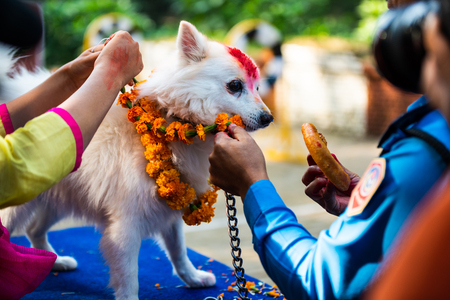
Many Indian families embrace pets as part of auspicious occasions. Consider incorporating your pet into family celebrations—maybe tie a small flower garland around their neck during Raksha Bandhan or include them in family portraits during festivals. These gestures help reinforce their place as an integral member of the household.
Foster Respect for Boundaries
Teach children and adults alike to recognise signs when your pet needs space—whether it’s retreating to their corner during busy gatherings or seeking quiet after playtime. Setting these boundaries early helps avoid stress for both pets and people.
By nurturing an environment where everyone participates—respecting both traditional customs and modern pet care—you create not just a cosy corner but a true home where your beloved companion thrives alongside the entire family.