
1. Common Fish Tank Diseases in India
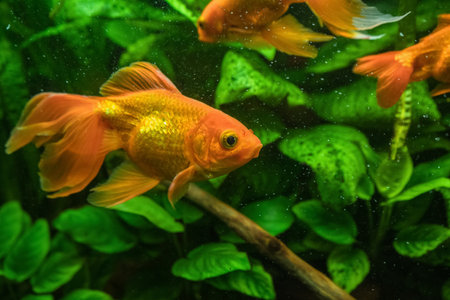
Keeping an aquarium at home is a popular hobby across India, from the busy cities of Mumbai and Delhi to smaller towns and villages. However, Indian climate and water conditions can make fish tanks prone to certain diseases that every aquarist should be aware of. High temperatures, fluctuating water quality due to monsoon season, and the use of municipal or borewell water all contribute to unique challenges for fish health. Among the most common diseases seen in Indian home aquariums are white spot disease (Ich), fin rot, fungal infections, and velvet disease. In addition, bacterial infections often thrive when tank hygiene is not maintained, especially during hot and humid months. Parasites like anchor worms and gill flukes are also frequently reported by Indian fish keepers. Understanding these diseases is crucial because their symptoms can sometimes be confused with simple stress or minor injuries. The combination of tropical heat, varying pH levels, and sometimes hard water means that both native Indian species such as goldfish, koi, and local catfish, as well as imported ornamental fishes like guppies and angelfish, can suffer if not given proper care. By recognising the signs early—such as abnormal swimming, spots on the body, frayed fins or loss of appetite—Indian aquarists can take timely action to save their aquatic pets.
2. Recognising Symptoms Early
For Indian fish keepers, spotting early symptoms of fish tank diseases can save both time and beloved aquatic lives. Daily observation is key. Typical signs that something is wrong may appear subtle at first, but regular checks will help families catch problems before they become serious. Below is a handy table summarising common symptoms and what Indian families should look for in their home aquariums:
| Sign | What to Look For | Possible Disease |
|---|---|---|
| White Spots | Tiny white dots on fins or body | Ich (White Spot Disease) |
| Clamped Fins | Fins held close to the body, less movement | Bacterial infection, stress |
| Laboured Breathing | Fish gasping at the surface | Poor water quality, gill parasites |
| Unusual Swimming | Darting, floating upside down, or not moving | Swim bladder issues, toxins |
| Loss of Appetite | Refusing food for more than a day | Internal parasites or stress |
Why Early Detection Matters in Indian Homes
Early identification allows for immediate action using Indian home remedies such as neem leaves or turmeric. It also prevents disease from spreading to other fish in your tank. Families often share the responsibility—children love feeding fish and can help notice odd behaviour. Regular evening checks after dinner or during morning pooja routines integrate well with Indian daily life.
Quick Tips for Daily Observation
- Observe fish during feeding times for appetite changes.
- Check water clarity and smell—cloudy or foul-smelling water signals trouble.
- Note any change in colouration, as bright colours fading can be an early warning.
Aquarium Health: A Family Effort
Make it a habit for all family members to glance at the tank daily. This simple practice ensures any unusual behaviour or visible sign is quickly noticed and treated, keeping your aquatic pets healthy and happy.
3. Traditional Indian Home Remedies
When it comes to treating fish tank diseases, many Indian families rely on time-tested home remedies that are both economical and rooted in the country’s rich tradition of natural healing.
Neem Leaves (Azadirachta indica)
Neem is well-known across India for its antibacterial and antifungal properties. Fish keepers often add a few clean neem leaves directly to the aquarium water or create a mild neem leaf extract to treat common fungal infections and prevent bacterial outbreaks. This natural solution is gentle on fish but tough on harmful microorganisms.
Turmeric (Haldi)
Turmeric, a staple in Indian kitchens, is also famous for its healing abilities. Many hobbyists use turmeric powder to help heal wounds or fin rot in their aquarium pets. A small pinch of turmeric can be dissolved in dechlorinated water and used as a bath for affected fish, promoting faster recovery without harsh chemicals.
Rock Salt (Sendha Namak)
Rock salt is another popular household remedy for treating fish diseases like ich (white spot) and mild skin infections. By adding the right amount of sendha namak to the tank—typically one tablespoon per five gallons—fish owners can relieve stress and remove external parasites from their aquatic friends. It’s crucial to use non-iodized rock salt and monitor dosage carefully to avoid harming sensitive species.
Precautions When Using Home Remedies
While these traditional Indian methods are widely trusted, it’s important for aquarists to observe their fish closely during treatment and avoid overuse of any substance. Always research compatibility with specific fish breeds, start with small doses, and consult experienced fishkeepers if unsure.
A Blend of Tradition and Care
By embracing these age-old Indian remedies, families not only care for their pet fish naturally but also continue a legacy of practical wisdom passed down through generations.
4. Safe Use of Remedies: Do’s and Don’ts
When using Indian home remedies to treat fish tank diseases, applying them safely is crucial for the health of your aquatic friends. Many Indian households rely on natural ingredients like turmeric, neem leaves, or tulsi. However, the way these remedies are prepared and applied can make a big difference. Below are some important do’s and don’ts to ensure safe treatment in your aquarium.
Do’s for Safe Application
| Dos | Explanation |
|---|---|
| Research Proper Dosage | Always check the correct amount before adding any remedy to your tank. Overdosing can harm fish. |
| Test on a Small Scale | If you are unsure, try the remedy on a smaller bowl with one or two fish first. |
| Observe Fish Behavior | Watch for stress signs like erratic swimming or gasping after treatment. |
| Use Clean Ingredients | Wash leaves (like neem or tulsi) thoroughly to remove pesticides or dirt. |
| Quarantine Sick Fish | Treat infected fish separately if possible to avoid spreading disease. |
Don’ts to Avoid Common Mistakes
| Don’ts | Why to Avoid |
|---|---|
| Don’t Mix Multiple Remedies at Once | This may cause unexpected chemical reactions harmful to fish health. |
| Don’t Use Remedies Without Identifying Disease | Treating without knowing the problem can worsen conditions. |
| Don’t Ignore Water Quality Checks | Poor water quality can render remedies ineffective and harm fish further. |
| Don’t Apply Unfiltered Tap Water Directly | Chlorine in tap water can interact with remedies and hurt your fish. |
| Don’t Use Excessive Salt or Turmeric Powder | Overuse can irritate gills and damage delicate species like bettas or goldfish. |
Cultural Tips for Indian Households
Aquarium care is often a family activity in India, so always involve elders who may have experience with traditional methods. But remember, old home tricks should be adapted with modern knowledge—always double-check any advice before applying it to your tank. Also, keep remedies and chemicals out of reach of children in the house.
Summary: Protecting Your Fish with Careful Practices
The key to successful home remedy use in Indian homes is balancing tradition with safety. By following these do’s and don’ts, you can treat common fish tank diseases while keeping your aquatic pets healthy and thriving.
5. Preventive Care and Everyday Practices
Maintaining a healthy fish tank in Indian homes goes beyond treating diseases—it is all about daily care and smart prevention. Routine cleaning is essential. Use a soft sponge or brush to gently clean the glass walls of your aquarium, removing algae build-up without using harsh chemicals. Gravel should be vacuumed weekly to remove leftover food and waste that can pollute the water.
Regular water changes are one of the most effective ways to keep your fish tank disease-free. In most Indian households, changing 20-30% of the tank water every week helps dilute toxins and keeps the environment fresh for your fish. Since tap water in India often contains chlorine and other impurities, always use water conditioners specifically available in local Indian markets. These products neutralise harmful chemicals and make tap water safe for aquarium life.
Additionally, ensure that you do not overfeed your fish—a common mistake in many Indian homes. Excess food decays quickly in warm climates, raising ammonia levels and increasing the risk of diseases. Feed only what your fish can consume within two minutes.
By combining these simple preventive measures with traditional Indian home remedies, you can significantly reduce the occurrence of diseases in your aquarium and create a thriving aquatic environment.
6. When to Seek Expert Help Locally
While Indian home remedies and daily care can solve many minor fish tank diseases, there are times when you must recognise that the problem is beyond home treatment. If your fish are not improving after 3-4 days of using neem leaves, rock salt baths, or turmeric solutions, it’s a strong sign that professional advice is needed. Watch out for symptoms like rapid breathing, persistent white spots, bloated bodies, clamped fins, or if several fish fall sick at once. These could indicate a serious outbreak or water poisoning, which needs quick intervention.
When seeking expert help in India, start by contacting trusted local aquarium shops—especially those in bigger cities like Mumbai, Bengaluru, Chennai, or Delhi. Experienced shopkeepers often know reliable fish doctors (also known as aquatic veterinarians) or have contacts with experienced hobbyists who can help. In smaller towns, connect with local WhatsApp aquarium groups or search on Facebook for “Fish Doctor Near Me India” to get recommendations from other fish keepers.
Do not hesitate to ask about their experience and check if they understand common Indian freshwater species like rohu, goldfish, or angelfish. Some Indian universities with fisheries departments also offer consultation services for fish health issues. Remember, timely expert help can save your entire tank and prevent further losses.