
Introduction: Brave Canines Serving the Nation
In India, dogs are more than just beloved companions—they are unsung heroes serving alongside our brave soldiers and security forces. The Indian Army and various security agencies have long relied on the exceptional abilities of these four-legged warriors. Their unwavering loyalty, sharp intelligence, and remarkable courage make them indispensable members of the force. Whether it’s tracking explosives in busy railway stations, patrolling sensitive borders, or participating in rescue missions after natural disasters, these canine heroes play a vital role in safeguarding our nation. Their bond with their handlers is built on mutual trust and respect, reflecting the values deeply cherished in Indian culture. Today, as we acknowledge the crucial contributions of these courageous canines, let us also remember the importance of compassion and responsible care for all animals in our communities.
2. Popular Indian Army Dog Breeds
The Indian Army and various security forces rely on a diverse selection of dog breeds, each chosen for their unique abilities, temperament, and adaptability to the Indian environment. While international breeds are commonly used due to their proven track record, indigenous breeds have also gained recognition for their remarkable skills and cultural significance. Below is an in-depth look at the most popular dog breeds serving alongside our soldiers, combining both tradition and modern needs.
Key Dog Breeds Used by Indian Forces
| Breed Name | Origin | Main Strengths | Cultural Relevance |
|---|---|---|---|
| German Shepherd | Germany | Loyalty, intelligence, versatility in tracking and guarding | Highly respected in India for police and military work; seen as brave and loyal companions |
| Labrador Retriever | United Kingdom | Excellent scent detection, friendly nature, adaptability | Loved by Indian families; known for their gentle temperament and service spirit |
| Belgian Malinois | Belgium | Agility, endurance, high drive for obedience and protection tasks | Increasingly favored by elite commando units like NSG; admired for resilience under tough conditions |
| Mudhol Hound (Caravan Hound) | India (Karnataka) | Speed, keen senses, ability to thrive in Indian climates | Proud symbol of India’s canine heritage; supported by PM Modi’s “vocal for local” campaign; a matter of national pride when deployed by Indian Army units |
The Role of Indigenous Breeds in National Service
In recent years, there has been a growing movement to promote indigenous breeds like the Mudhol Hound within India’s armed forces. These dogs are well-adapted to the diverse terrains and climate conditions found across the country. Their natural instincts make them ideal for patrols along challenging borders or in rural areas where traditional Western breeds might struggle with heat or rugged landscapes.
A Blend of Tradition and Modernity
The inclusion of both imported and native breeds reflects India’s respect for global best practices while honoring local heritage. The collaboration between international breeds such as German Shepherds and Labradors with homegrown heroes like the Mudhol Hound demonstrates a holistic approach to security—one that celebrates diversity and supports “Make in India” initiatives.
3. Role and Training of Security Dogs
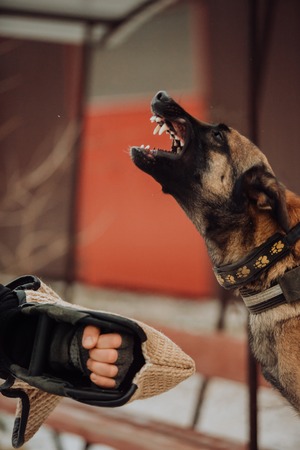
The dogs serving alongside the Indian Army and security forces are much more than companions—they are highly trained professionals with vital responsibilities. From the bustling streets of Mumbai to the challenging terrains along India’s borders, these four-legged heroes play a critical role in safeguarding the nation. The training process for these dogs begins at a young age, often at specialized centres like the Remount Veterinary Corps (RVC) in Meerut or the BSF Dog Breeding and Training School in Tekanpur.
Rigorous Training Regimens
Security dogs undergo an intensive and structured training program that focuses on discipline, obedience, and specialized skills. This includes learning to detect explosives, narcotics, arms, and tracking lost persons or intruders. The trainers use commands in local languages such as Hindi and sometimes even regional dialects to ensure effective communication in diverse Indian settings. The training is both mentally stimulating and physically demanding, ensuring that these dogs remain alert and responsive under any circumstance.
Specialized Tasks Performed by Security Dogs
Each dog is assigned specific roles based on its breed and aptitude. For example, German Shepherds and Belgian Malinois excel as patrol and attack dogs due to their agility and intelligence, while Labradors are preferred for detection work because of their keen sense of smell. These tasks are not limited to military operations—dogs are also involved in disaster response, search-and-rescue missions after natural calamities, VIP security checks at major events, and anti-terror operations across India.
The Daily Life of a Canine Soldier
Life for a security dog in India is disciplined but filled with care. Their daily routine involves physical exercise, refresher training drills, proper nutrition, regular health check-ups, and time to bond with their handlers. Handlers treat their canine partners with utmost respect, often considering them part of their family. This deep bond ensures seamless teamwork during high-stress situations—a critical factor given the unpredictable environments Indian security personnel face.
The Human-Canine Bond
The relationship between handlers and their dogs is rooted in trust and mutual respect. In many Indian regiments, it is common to see rituals where soldiers honour their canine colleagues during ceremonies or even mourn their loss with full military honours. This strong emotional connection not only boosts morale but also enhances operational effectiveness, making these dogs indispensable members of Indias defence forces.
4. Indigenous Breeds: Pride of Bharat
When discussing the dog breeds used by the Indian Army and security forces, it is important to shine a spotlight on our indigenous breeds that have been the pride of Bharat for centuries. The resurgence and recognition of native breeds such as the Mudhol Hound and Rajapalayam not only reflect India’s rich canine heritage but also promote the spirit of swadeshi and local adoption.
The Significance of Native Breeds in Security Forces
Indigenous dogs have unique qualities suited to Indian climates, terrains, and working conditions. Their adaptability, resilience, and loyalty make them valuable assets for security operations. By incorporating these breeds into official service roles, the Indian Army sets a strong example for the country, encouraging citizens to appreciate and adopt local breeds.
Mudhol Hound and Rajapalayam: Icons of Swadeshi Spirit
| Breed | Origin State | Main Strengths | Role in Forces |
|---|---|---|---|
| Mudhol Hound | Karnataka | Stamina, speed, acute sense of smell | Patrolling, detection, tracking |
| Rajapalayam | Tamil Nadu | Loyalty, agility, guarding instincts | Guard duty, patrol support |
Encouraging Local Adoption & Community Engagement
The increased deployment of native breeds by Indian forces sends a message to every household: adopting indigenous dogs supports both animal welfare and the nation’s cultural legacy. By choosing breeds like Mudhol Hound or Rajapalayam over imported options, families contribute to preserving our genetic heritage while supporting “Make in India” values. In addition, these dogs are naturally healthier in Indian weather conditions and require less specialized care compared to foreign breeds.
The movement towards recognizing indigenous breeds is more than just a matter of national pride—it is a step towards sustainable canine welfare and responsible pet parenting. Let us celebrate Bharat’s native heroes and inspire every community to embrace and protect our own four-legged guardians.
5. Honouring the Four-Legged Heroes
The brave dogs serving alongside the Indian Army and security forces are more than just animals—they are true heroes, saving countless lives with their dedication, intelligence, and courage. From the snow-capped Himalayas to the deserts of Rajasthan, these loyal companions have proven themselves in some of the most challenging terrains and operations across India.
Celebrating Their Achievements
Indian Army dogs such as German Shepherds, Belgian Malinois, and Labradors have been instrumental in sniffing out explosives, tracking down suspects, and providing search and rescue support during disasters. Their stories are filled with acts of bravery—whether it’s detecting hidden bombs along the border or helping save people after earthquakes. Many have received medals for their service and are fondly remembered by soldiers and civilians alike for their unwavering loyalty.
Stories of Courage
Take, for example, the tale of Mansi, a female Labrador who sacrificed her life while detecting explosives in Kashmir. Her handler described her as not just a partner but a family member. These stories highlight not only their skills but also the deep bond between handlers and their canine comrades. Such narratives inspire respect and gratitude from communities all over India.
Compassion for Retired Service Dogs
While these dogs serve with distinction during their active years, it is equally important to ensure their well-being after retirement. Traditionally, retired Army dogs faced uncertain futures, but attitudes are changing. Organizations and animal welfare groups now advocate for adopting retired service dogs, recognizing that they deserve comfort and love after years of selfless service. Compassion towards these four-legged heroes reflects our gratitude and helps set an example of kindness for society at large.
By celebrating the achievements of Indian Army dogs and promoting compassion for them after retirement, we honour their sacrifice and encourage responsible adoption practices within our communities. Let us continue to support these silent warriors and work towards a future where every retired service dog finds a loving home.
6. Adoption and Welfare: Giving Back to Our Brave Hearts
In India, the tradition of seva (selfless service) and community care runs deep within our culture. It is only fitting that we extend this spirit to the loyal canine heroes who have served alongside our army and security forces. After years of dedicated service, many military and security dogs retire from active duty. These brave hearts deserve a loving home and continued care, reflecting the Indian values of gratitude and compassion.
Adopting a retired army dog is not just an act of kindness; it is a way of honoring their immense contribution to our nation’s safety. These dogs have been trained for discipline, obedience, and protection, making them wonderful companions for families and individuals alike. By welcoming them into civilian homes, we also ensure that their transition to post-service life is filled with love and dignity.
Encouraging Adoption in the Spirit of Community
Across India, awareness about adopting retired service dogs is growing. Many organizations and animal welfare groups work tirelessly to find suitable homes for these canines. Choosing to adopt a retired army or police dog is a meaningful way to show respect for their service, while also promoting the Indian value of community support.
The Importance of Continued Care
Retired service dogs may require specialized care due to their age or past injuries. Providing regular veterinary check-ups, nutritious food, and plenty of affection ensures they enjoy a comfortable retirement. This aligns with our cultural ethos of caring for elders and those who have served us selflessly.
How You Can Help
If you are interested in giving back to these courageous animals, reach out to local adoption agencies or welfare groups associated with army and police departments. Volunteering your time, spreading awareness, or contributing resources can make a significant difference in the lives of these deserving dogs.
By embracing the responsibility of caring for retired service dogs, we uphold the true spirit of Indian community living—where gratitude, compassion, and seva guide us in supporting every member who has played a role in safeguarding our society.