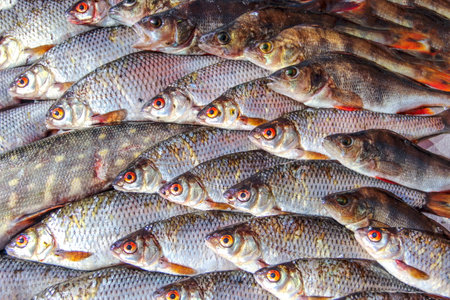

Introduction to Fish Farming in India
India, blessed with vast river systems, coastal belts, and numerous inland water bodies, has nurtured a rich tradition of fish farming for centuries. This ancient practice is more than just a way to produce food—it is deeply woven into the socio-economic fabric of rural and semi-urban communities across the nation. From the freshwater ponds of West Bengal to the backwaters of Kerala, fish farming not only provides a sustainable source of protein for millions but also offers critical livelihood opportunities for countless families. In recent years, the domestic fish trade in India has witnessed remarkable growth, powered by rising demand, innovative farming techniques, and supportive government initiatives. Today, fish farming stands as a beacon of hope for many local communities, promising both nutritional security and financial empowerment. As the nation’s population continues to grow and dietary preferences shift towards healthier proteins, the potential of the domestic fish trade to uplift communities and strengthen rural economies has never been greater.
2. Setting Up a Sustainable Fish Farm
Establishing a successful fish farming business in India starts with making informed decisions that benefit both the entrepreneur and the local community. The right approach can ensure a steady income while supporting eco-friendly practices and social responsibility. Below is a practical guide on how to set up a sustainable and profitable fish farm that aligns with Indian values of environmental stewardship and community upliftment.
Choosing the Right Location
Selecting an appropriate site is crucial for the success of your fish farm. Consider these factors:
| Criteria | Importance | Local Tips |
|---|---|---|
| Water Availability | High | Ensure year-round access to clean water; check for nearby rivers, ponds, or borewells commonly used in rural India. |
| Accessibility | Medium | Choose locations near main roads or village markets to reduce transportation costs and support local vendors. |
| Soil Quality | High | Clayey soils are preferable as they retain water well; consult local agricultural officers for soil testing. |
| Community Impact | High | Select sites that do not displace residents or harm communal resources; involve panchayat leaders in planning. |
Eco-Friendly Practices for Indian Fish Farms
Sustainable fish farming is not just about profits—it’s about respecting nature and the collective good. Adopt these environment-friendly methods to protect local ecosystems and ensure long-term viability:
- Integrated Farming: Combine fish farming with agriculture or poultry to recycle nutrients, maximize land use, and increase farmers incomes, a practice gaining popularity in states like Kerala and West Bengal.
- Organic Feed: Use locally sourced organic feed such as rice bran, oil cakes, or kitchen waste to minimize chemical input and keep costs low.
- No Chemical Runoff: Avoid pesticides and artificial fertilizers that could pollute water bodies shared by the community.
- Biodiversity Protection: Raise indigenous species such as Rohu, Catla, or Mrigal alongside commercial varieties to preserve native aquatic life.
Essential Requirements for Starting a Fish Farm in India
The following table summarizes the key requirements every aspiring Indian fish farmer should plan for:
| Requirement | Description & Local Perspective |
|---|---|
| Pond Construction | Dug-out earthen ponds are cost-effective and traditional; use locally available clay and stones for bunds. |
| Seed (Fingerlings/Fry) | Sourcing healthy seed from government hatcheries supports quality control and benefits from state subsidies. |
| Water Management Tools | Pumps, aerators, and simple bamboo filters help maintain water quality; solar pumps are increasingly popular in rural Bharat for energy savings. |
| Training & Community Support | Participate in Krishi Vigyan Kendra workshops or join local fisheries cooperatives for knowledge sharing and collective bargaining power. |
| Legal Compliance | Register with local authorities (Gram Panchayat/Fisheries Department) and obtain necessary permits to avoid future disputes. |
A Community-Centric Approach to Success
Sustainable fish farming in India flourishes when entrepreneurs work hand-in-hand with their neighbours—sharing resources, protecting common water bodies, and creating job opportunities for marginalized groups. By focusing on sustainability and social good, your fish farm can become a model of profitability, environmental care, and community development—a true reflection of the Indian ethos: “Sabka Saath, Sabka Vikas” (Collective Effort, Inclusive Growth).
3. Popular Fish Species for Indian Markets
India’s diverse culture and geography have shaped a vibrant domestic fish trade, with certain fish species enjoying immense popularity across the country. Understanding the demand for different fish varieties is crucial for anyone entering the fish farming business in India, as consumer preferences often reflect deep-rooted cultural traditions and regional tastes.
Rohu: The Quintessential Indian Fish
Rohu (Labeo rohita) stands out as one of the most favored freshwater fishes in India. Revered in Bengali, Odia, Assamese, and North Indian cuisines, Rohu is considered a delicacy for festive occasions and daily meals alike. Its tender flesh and mild flavor make it suitable for diverse cooking styles, from spicy curries to simple fries. In many regions, serving Rohu during special gatherings is seen as a gesture of warmth and generosity.
Catla: A Staple in Eastern India
Catla (Catla catla), another major carp species, holds a special place in Eastern Indian markets. Known for its large head and rich taste, Catla is a preferred choice for joint family meals and community feasts. Especially popular in West Bengal, Andhra Pradesh, and Uttar Pradesh, Catla’s high nutritional value and affordability make it a staple protein source for millions.
Mrigal: Honoring Traditional Flavors
Mrigal (Cirrhinus mrigala) is widely cultivated alongside Rohu and Catla, completing the trio known as “Indian major carps.” With its subtle flavor profile and firm texture, Mrigal is prized in central and southern India. Many traditional dishes highlight Mrigals unique taste, keeping age-old recipes alive while supporting local aquaculture livelihoods.
Tilapia: The Rising Star
Tilapia has rapidly gained acceptance among urban consumers seeking affordable and nutritious options. Its adaptability to various water conditions has made it a favorite among new-age fish farmers across Maharashtra, Tamil Nadu, and Karnataka. With growing health awareness, Tilapia’s low-fat content and versatility in cooking have helped it become a household name in metropolitan areas.
Cultural Significance and Regional Preferences
The choice of fish often goes beyond taste—it reflects cultural heritage and local customs. In Kerala, freshwater carps are celebrated during Onam feasts; in Assam, riverine species like Rohu grace wedding banquets; while Gujarat favors lighter fish dishes suited to its palate. Understanding these preferences allows fish farmers to cater responsibly to local needs while promoting sustainable consumption.
Towards Responsible Fish Farming
By highlighting in-demand species such as Rohu, Catla, Mrigal, and Tilapia, aspiring entrepreneurs can align their practices with market trends while respecting India’s rich culinary diversity. Promoting native varieties not only sustains traditional foodways but also encourages ethical farming practices—ensuring that the benefits of this thriving industry reach both communities and ecosystems across the nation.
Traditional Knowledge Meets Modern Techniques
India’s fish farming business is rooted deeply in centuries-old practices, with communities across the country relying on indigenous aquaculture wisdom passed down through generations. Today, as the demand for domestically farmed fish grows, integrating these traditional methods with modern technologies offers a sustainable path forward. By combining local knowledge with scientific advancements, Indian fish farmers can boost productivity, preserve the environment, and honour cultural heritage.
Integrating Indigenous Wisdom with Modern Approaches
Many regions in India, such as West Bengal, Andhra Pradesh, and Assam, have long relied on time-tested techniques like polyculture—raising multiple fish species in a single pond to optimise resource use. These community-driven methods focus on low input costs, natural feed sources, and water conservation. However, recent developments in technology—such as aeration systems, water quality sensors, and improved breeding techniques—offer opportunities to enhance yields without compromising environmental sustainability or traditional values.
Comparison: Traditional vs. Modern Fish Farming Practices
| Aspect | Traditional Practices | Modern Techniques | Integrated Approach |
|---|---|---|---|
| Species Selection | Local varieties (e.g., Rohu, Catla) | Hybrid and fast-growing species | Diverse selection suited to local ecology |
| Pond Management | Manual cleaning and fertilisation | Automated aeration and monitoring | Sustainable pond health with tech support |
| Feeding Methods | Natural feeds (rice bran, oil cakes) | Commercial pellet feeds | Balanced diet using both methods |
| Environmental Impact | Low impact but limited scalability | Potential higher output but risks overuse of resources | Sustainable scaling by respecting local wisdom |
The Way Forward: Respecting Culture while Embracing Progress
The future of India’s domestic fish trade lies in respectful collaboration between tradition and innovation. By listening to local farmers and involving them in technology adoption processes, the industry can ensure that new practices do not erode cultural identity or harm the environment. Training programmes tailored to regional languages and contexts further empower communities. As we promote fish farming as a profitable livelihood option, it is essential to champion both the wisdom of our ancestors and the promise of modern science for a thriving, sustainable future.
5. Social Impact: Empowering Rural Communities
Fish farming in India is not just a profitable business; it is also a powerful tool for social transformation, especially in rural areas. This sustainable enterprise generates numerous employment opportunities for local people, from pond preparation and fish seed supply to harvesting and marketing. Many smallholder farmers and landless labourers have found a new source of livelihood through pisciculture, reducing migration to cities in search of work.
Moreover, the boost to local economies is significant. The money generated from domestic fish trade circulates within villages, supporting ancillary businesses such as feed suppliers, transporters, and equipment vendors. The increased income helps families invest in better education, healthcare, and living standards.
One of the most inspiring aspects of fish farming in rural India is its role in empowering women and youth. Women’s self-help groups (SHGs) are increasingly taking up aquaculture as a collective activity, giving them financial independence and a stronger voice in community affairs. Young entrepreneurs are also embracing innovative methods—like biofloc technology and integrated farming—to increase productivity and profits. Government schemes such as PMMSY (Pradhan Mantri Matsya Sampada Yojana) further support these initiatives by providing training and subsidies.
Through fish farming, entire communities are discovering hope and resilience. The ripple effect is clear: improved livelihoods, gender equality, youth empowerment, and vibrant village economies—all rooted in the simple act of nurturing fish. As more rural Indians join this movement, fish farming continues to shape a future where prosperity and social progress go hand in hand.
6. Challenges and Solutions in Domestic Fish Trade
The journey of building a successful fish farming business in India is not without its obstacles. Many aspiring and established fish farmers encounter significant challenges that can hinder their growth and profitability. However, with the right knowledge, community support, and access to government schemes, these hurdles can be effectively addressed.
Water Availability
One of the most pressing concerns for Indian fish farmers is the availability and quality of water resources. In many regions, water scarcity or contamination can limit production capacity and affect fish health. To combat this, it is advisable to adopt efficient water management techniques such as rainwater harvesting, regular pond cleaning, and using borewell or tube well systems where possible. The government also offers assistance through schemes like the Pradhan Mantri Matsya Sampada Yojana (PMMSY), which provides financial support for infrastructure development and water conservation projects.
Feed Quality
Another common issue is ensuring consistent and nutritious feed for fish. Poor feed quality can stunt growth and increase disease risk. Farmers are encouraged to source feed from certified suppliers or consider preparing their own balanced feed using locally available ingredients such as rice bran, mustard oil cake, and groundnut cake. Training sessions conducted by Krishi Vigyan Kendras (KVKs) and agricultural universities across India help farmers learn about best practices in feed formulation and storage.
Market Access
Reaching reliable markets remains a challenge, especially for small-scale or rural fish farmers. Limited transport facilities, lack of cold storage, and fluctuating prices often impact profits. To address this, farmers can form cooperatives or join Fish Farmer Producer Organizations (FFPOs) that negotiate better prices and facilitate collective marketing. Government initiatives like e-NAM (National Agriculture Market) are expanding digital platforms to connect producers directly with buyers across states.
Government Support Schemes
The Indian government recognizes the importance of the fisheries sector and has implemented several schemes to empower domestic fish traders. Besides PMMSY, there are subsidies for pond construction, equipment procurement, insurance against natural calamities, and training programs. Farmers are encouraged to approach local fisheries departments for guidance on availing these benefits.
Towards a Sustainable Future
By overcoming these challenges together—through sustainable practices, community collaboration, and effective use of government schemes—India’s domestic fish trade can continue to thrive. As we nurture our aquatic resources responsibly, we contribute not only to economic prosperity but also to nutritional security for millions of Indian families.
7. Fostering a Culture of Responsible Fish Farming and Consumption
As the Indian fish farming business continues to grow, it is crucial to emphasize the adoption of responsible and ethical practices across the industry. A sustainable domestic fish trade in India hinges on not only increasing production but also fostering a sense of accountability among farmers, traders, and consumers. Encouraging ethical aquaculture methods—such as maintaining water quality, minimizing chemical use, and ensuring humane treatment of aquatic life—helps protect local ecosystems and public health.
Community-Led Initiatives: The Heart of Change
Grassroots efforts play a significant role in shaping the future of fish farming in India. Community-led initiatives, such as cooperative societies and self-help groups, empower small-scale farmers to share resources, knowledge, and access to markets. These collectives can introduce best practices for sustainability and fair trade, while amplifying the voices of traditionally marginalized communities within the sector.
Promoting Responsible Consumption Habits
The responsibility does not rest solely with producers. Indian consumers are vital contributors to a healthier fish trade ecosystem. By choosing to purchase locally farmed, ethically sourced fish, families can support sustainable livelihoods and reduce the carbon footprint associated with long-distance transportation. Educational campaigns in schools and community centers can raise awareness about the benefits of consuming responsibly produced fish, making informed choices part of everyday life.
Towards an Inclusive and Sustainable Future
Building an inclusive fish trade ecosystem means ensuring that everyone—from rural fish farmers to urban consumers—benefits fairly from industry growth. Prioritizing transparency in sourcing, supporting certification programs for sustainable aquaculture, and encouraging active participation from women and youth will help create a balanced system. Together, by nurturing responsible farming and consumption habits, India can lay the foundation for a resilient and equitable fish trade that nourishes communities while safeguarding natural resources for generations to come.