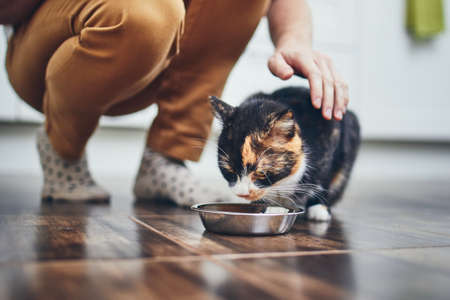

Understanding Your Cat’s Natural Grooming Instincts
Cats in Indian households, whether they are native Indian Billi (street cats) or pedigree breeds, have an innate ability to groom themselves. From a young age, kittens learn grooming habits by watching their mothers and siblings. This natural behaviour is not just about looking neat; it helps regulate body temperature and keeps their fur free from dust, especially important in India’s varying climates—from the humid coasts of Kerala to the dry heat of Rajasthan. Observing your cat’s grooming habits gives you valuable insights into their health and comfort. For instance, a happy, healthy cat will regularly lick its fur and paws. By understanding these instincts, Indian pet parents can create a home environment that encourages regular self-grooming. Simple steps such as providing clean spaces away from household hustle, ensuring access to fresh water for hydration, and keeping their bedding dust-free can support your cat’s urge to stay clean naturally. In Indian culture, where homes may be bustling with family members and activity, giving your cat a quiet corner can make all the difference in promoting their self-grooming behaviours.
2. Setting Up a Cat-Friendly Grooming Space
Creating a dedicated grooming area for your cat is essential, especially in Indian households where space and resources might be limited. The right environment helps your feline feel safe and encourages self-grooming. Start by choosing a quiet corner that’s away from loud noises and high traffic. Cats appreciate privacy when they groom, so avoid placing the grooming spot near busy areas like the kitchen or entrance.
Utilise everyday household items to make the space cosy and inviting. Old cotton sarees or soft towels are excellent choices—they are gentle on your cat’s fur and skin, readily available in most Indian homes, and easy to wash. Spread one out as a mat or cover for your grooming spot. If you have multiple cats, assign each one its own saree or towel to prevent territorial disputes.
Consider adding a low stool or a sturdy cardboard box covered with fabric to elevate the grooming area if your cat prefers higher vantage points. Ensure the surface is stable so your cat feels secure while grooming. Below is a simple table of locally available items and their benefits for setting up your grooming space:
| Item | Benefit |
|---|---|
| Old Cotton Saree | Soft texture, familiar scent, easy to clean |
| Terry Towel | Absorbs loose fur, provides comfort |
| Cardboard Box (covered) | Creates a private nook, cats love boxes! |
| Cane Mat | Natural material, cool in summer months |
| Plastic Tray (lined) | Easy to move and clean after shedding sessions |
Add some of your cat’s favourite toys or a sprinkle of dried catnip (if available) to attract them to the new space. Remember to keep this area clean—shake out the mat or towel regularly and wash it weekly to maintain hygiene. By thoughtfully setting up a cat-friendly grooming space using items commonly found in Indian homes, you’ll encourage your pet to relax and groom themselves more often, keeping them healthy and happy.
3. Diet and Hygiene: Supporting Grooming from Within
When it comes to encouraging your cat to groom itself, the foundation starts from within. A balanced Indian diet is not just about filling your pet’s bowl—it’s about ensuring healthy fur and skin, which makes self-grooming more effective. Cats in Indian homes benefit greatly from a diet rich in high-quality proteins found in fish, chicken, or even paneer for vegetarian households. Adding small amounts of healthy fats like ghee (in moderation) can help maintain a shiny coat. Access to clean, fresh water at all times is essential, especially given the hot and humid weather in many parts of India that can lead to dehydration and dull fur.
Unlike some Western practices, routine bathing is usually avoided for most Indian cats unless absolutely necessary. Frequent baths can strip away natural oils from their skin, leading to dryness and irritation. Instead, focus on feeding your cat nutritious home-cooked meals or reputable commercial cat food available in the Indian market to support internal health. Regular brushing removes loose hair and prevents matting, making it easier for your cat to keep itself clean without the need for frequent washing. Remember, a healthy inside reflects on the outside—so prioritise what goes into your feline’s bowl as much as you do their grooming habits.
4. Introducing Basic Grooming Tools
When it comes to training your cat to groom itself at home, having the right grooming tools is essential. In Indian households, you can easily find a variety of cat brushes and combs at local pet stores, online marketplaces like Amazon India or Flipkart, and even in some supermarkets. Choosing the correct tool depends on your cat’s fur type—short-haired cats generally need softer bristle brushes, while long-haired breeds benefit from wide-toothed combs to prevent tangles.
Popular Grooming Tools Available in India
| Tool Type | Best For | Where to Buy |
|---|---|---|
| Slicker Brush | Removing loose fur and small tangles (all coat types) | Pet shops, Amazon.in, Flipkart |
| Bristle Brush | Sensitive skin and short-haired cats | Supermarkets, online stores |
| Wide-Toothed Comb | Long-haired breeds with thick fur | Pet specialty stores, major e-commerce sites |
Tips for Helping Your Cat Get Used to Grooming Tools
- Let your cat sniff and inspect the brush or comb before use. This helps reduce anxiety and builds curiosity.
- Start by gently brushing for a few minutes daily, preferably when your cat is relaxed or after meals.
- If your cat resists, try rewarding them with small treats or praise after each session to create a positive association.
- Gradually increase brushing time as your cat becomes more comfortable with the routine.
Cultural Note for Indian Homes
Cats in Indian households may be exposed to more dust due to open windows or balconies. Regular grooming not only keeps their coats clean but also reduces shedding around the house—a practical benefit in joint families or homes with elders and children. Introducing basic grooming tools early on ensures your furry friend remains healthy and happy, making self-grooming easier over time.
5. Handling Common Grooming Challenges in Indian Homes
Dealing with Hairballs: A Frequent Issue
In India’s warm and often humid climate, cats tend to shed more fur, leading to increased hairball formation. Regular self-grooming helps, but you can support your cat by adding a small spoon of ghee or coconut oil to their food once or twice a week—a popular home remedy known to ease hair passage through the digestive tract. Additionally, offering fresh grass (like wheatgrass) in a pot can naturally help cats expel hairballs.
Managing Fleas: Natural and Safe Solutions
Fleas are common in Indian households, especially during the monsoon. Instead of harsh chemicals, try sprinkling neem powder on your cat’s bedding or using diluted neem oil for gentle spot application—both are traditional Indian remedies with proven effectiveness against fleas. Also, regularly washing your cat’s bedding with hot water and sun-drying it is an excellent way to keep fleas at bay.
Controlling Dust: Adapting to Local Conditions
Indian homes can be dusty due to open windows and local construction. Cats may get dust stuck in their fur, which encourages over-grooming and possible skin irritation. To help, brush your cat daily with a soft-bristle brush and wipe their fur gently with a damp cloth (preferably dipped in cooled boiled water with a drop of rose water for freshness). Keeping living areas swept and mopped frequently also reduces overall dust exposure.
Encouraging Consistent Self-Grooming Habits
Reward your cat when you notice them grooming properly, using healthy treats such as small pieces of boiled chicken or commercial cat snacks available in Indian pet shops. Positive reinforcement will make them more likely to maintain good grooming habits despite local challenges.
When to Consult a Vet
If you observe persistent itching, bald spots, or excessive grooming that doesn’t improve with these safe home practices, consult a trusted local veterinarian for professional advice and treatment suited for Indian conditions.
6. Including the Family in Grooming Routines
In many Indian households, pets are considered a part of the family, and involving everyone—especially children—in your cat’s grooming routine can strengthen this special bond. Teaching kids how to gently encourage self-grooming not only promotes responsibility but also ensures that the cat feels safe and respected. Start by supervising young ones as they use soft brushes or grooming mitts, reminding them to be gentle and to watch for signs that your cat wants personal space. Explain to children that cats are independent by nature; it’s important to let the cat decide when it wants to interact or groom itself. You can make grooming a family activity after meals or during quiet evenings, using calm voices and soft hands. Encourage each member to observe the cat’s cues—such as purring, tail movement, or walking away—to learn when to step back. This respectful approach aligns with traditional Indian values of empathy and co-existence with animals. Over time, your cat will associate grooming with positive family time, making self-grooming habits easier to maintain in your home.