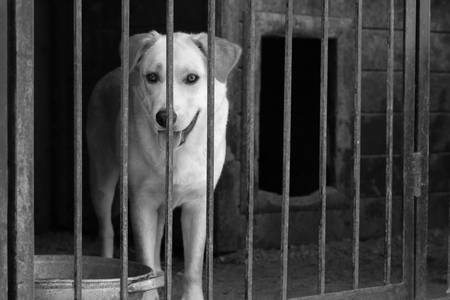

Overview of Animal Cruelty in India
India is a nation known for its rich cultural heritage and deep-rooted respect for animals, yet animal cruelty remains a significant concern across urban and rural areas alike. In recent years, cases of animal abuse have frequently made headlines, ranging from the mistreatment of stray dogs to the illegal trade of exotic pets. Notable incidents, such as the brutal killing of street animals or abandonment during festivals, have sparked widespread outrage and debate about the need for stronger protection mechanisms. Key issues contributing to animal abuse in India include lack of awareness, insufficient enforcement of existing laws, and cultural practices that sometimes overlook animal welfare. As the Indian public grows more conscious about animal rights, there is increasing emphasis on responsible pet ownership and community-driven initiatives for animal safety. This changing attitude has also led to a focus on solutions like ID tags and microchipping to safeguard animals and assist authorities in addressing cruelty cases more effectively.
Current Identification Practices in India
India’s approach to pet and stray animal identification is a blend of traditional and modern techniques, reflecting both cultural preferences and infrastructural challenges. Proper identification plays a pivotal role in addressing animal cruelty cases by ensuring animals can be traced back to their owners or caretakers. Below, we explore the most common methods currently in use, as well as emerging trends shaping the landscape.
Traditional Methods: Name Tags and Collars
The most widespread method for identifying pets in Indian households is the use of name tags attached to collars. These tags typically display the animals name, owner’s contact number, and sometimes the address. They are readily available at local pet shops and are especially popular among urban pet parents. However, this method is less effective for stray animals, who seldom wear collars or tags due to logistical constraints and concerns about safety or theft.
Common Types of ID Tags Used
| Type of Tag | Main Features | Suitability |
|---|---|---|
| Metal Engraved Tags | Durable, customizable with details | Pet dogs and cats in urban homes |
| Plastic/Resin Tags | Lightweight, affordable, colourful options | Puppies, kittens, small pets |
| QR Code Tags | Digital scanning links to owner info | Tech-savvy pet owners in metro cities |
| Cloth Collars with Embroidered Info | No dangling parts; info stitched directly onto collar | Active dogs; rural settings where metal/plastic may not last long |
Emerging Trends: Microchipping and Digital IDs
Microchipping is gradually gaining traction in India, particularly in metropolitan areas like Mumbai, Bengaluru, and Delhi NCR. The microchip—about the size of a grain of rice—is implanted under the animal’s skin and carries a unique identification number readable by scanners used by vets or municipal authorities. This technology is tamper-proof and offers a permanent means of identification, making it highly effective in tracking lost pets or resolving ownership disputes related to cruelty cases.
Comparison: Traditional vs Emerging Identification Methods
| Method | Pros | Cons | Typical Usage in India |
|---|---|---|---|
| Name Tag/Collar | Easily accessible; affordable; quick identification by public | Can fall off or be removed; limited info capacity; not suitable for strays | Urban households; some NGOs for rescued animals |
| Microchip Implanting | Permanently linked to animal; cannot be easily tampered with; supports legal evidence in cruelty cases | Higher cost; requires scanner to read; limited awareness among general public and authorities outside major cities | Larger cities; pedigree pets; show animals; pilot projects with strays by NGOs/local bodies |
| Digital/QR Code Tags & Apps | Easily updated information; can include vaccination records and medical history; integrates with smartphones | Dependent on technology access; needs public awareness to utilize fully | Younger pet owners in Tier 1 cities; adoption drives by tech-focused shelters/NGOs |
The Rural-Urban Divide in Adoption of ID Practices
A notable challenge remains the disparity between urban centres—where advanced methods are more feasible—and rural or semi-urban regions that still rely on basic identification or none at all for community animals. Government-led initiatives and NGO outreach play a crucial role in bridging this gap through education drives and subsidised microchipping camps.
The evolution of animal identification practices in India is thus shaped by accessibility, affordability, and growing awareness about animal welfare laws. As these trends continue to develop, robust identification systems will be key to effectively addressing animal cruelty cases across the country.

3. Understanding ID Tags and Their Usage
Identification tags, commonly known as ID tags, play a crucial role in quickly identifying pets and owned animals across India. These tags are typically metal or plastic discs attached to a pet’s collar, engraved with the animal’s name, owner’s contact number, and sometimes the address. In Indian cities like Mumbai, Delhi, and Bengaluru, pet owners are increasingly opting for bright, durable tags that can withstand local weather conditions such as heavy monsoons or scorching heat. In contrast, in smaller towns or rural areas, traditional brass or aluminium tags are still prevalent due to affordability and easy availability at local markets.
ID tags function as the first line of defence when an animal is lost or involved in an incident of cruelty. Animal rescuers and authorities can use these tags to quickly contact owners, verify ownership, or even trace back the animal’s origin. This immediate identification is especially important in cruelty cases where proving ownership can be challenging. For instance, during festivals like Diwali or Holi, when pets are prone to running away due to loud noises or commotion, ID tags make reunification faster and less stressful for both the animal and the family.
The reliability of ID tags in Indian conditions depends on several factors. While they are simple and accessible, their effectiveness can be limited if the tag becomes illegible due to rusting, fading, or physical damage—issues common in India’s diverse climates. Additionally, cultural preferences influence usage; some communities prefer ornamental collars without practical information due to aesthetic reasons or religious beliefs. Despite these challenges, awareness about the importance of clear and updated ID tags is growing thanks to efforts by NGOs and veterinary clinics across the country.
4. Microchipping: Benefits and Challenges in the Indian Context
Microchipping has emerged as a reliable tool for pet identification and is increasingly being discussed in India, especially when it comes to tackling animal cruelty cases. The adoption of microchipping in India is still in its early stages compared to Western countries, but interest is growing among responsible pet owners, NGOs, and law enforcement agencies.
The Process of Microchipping in India
Microchipping involves inserting a tiny RFID chip under the animal’s skin, typically between the shoulder blades. This chip contains a unique identification number that can be read with a scanner. The process is quick, relatively painless, and only needs to be done once. Once implanted, the owners details are registered in a national or local database, which helps reunite lost pets with their families and provides crucial evidence in cruelty investigations.
Legal Framework Surrounding Microchipping
Currently, there is no nationwide legal mandate for microchipping pets or strays in India. However, some municipal corporations like those in Mumbai and Bengaluru have started pilot projects or made it compulsory for dog registration. Animal welfare organizations advocate for wider implementation and inclusion of microchipping requirements within the Prevention of Cruelty to Animals Act and other relevant laws.
Benefits of Microchipping
| Benefit | Description |
|---|---|
| Permanent Identification | Unlike ID tags, microchips cannot be easily removed or tampered with, providing lifelong identification. |
| Reuniting Lost Animals | Makes it easier for shelters and authorities to contact owners if animals are rescued from cruel situations or found stray. |
| Legal Evidence | Helps prove ownership and trace history during animal cruelty investigations. |
| Deterrent Effect | The knowledge that pets are traceable discourages abandonment and abuse. |
Challenges Unique to India
| Challenge | Explanation |
|---|---|
| Cost | The price of microchipping and database registration can be a barrier for many pet owners, especially in rural or low-income areas. |
| Lack of Awareness | Many Indians are still unaware of what microchipping is or its benefits; education campaigns are needed to boost acceptance. |
| Limited Infrastructure | Access to scanners and reliable databases is mostly limited to major cities and high-end veterinary clinics. |
| Cultural Preferences | A preference for traditional identification methods like collars prevails; some communities may be skeptical about “technology inside animals.” |
| No Uniform Database | The absence of a centralised national database reduces the effectiveness of microchip tracing across state borders. |
The Way Forward: Bridging Gaps for Better Animal Welfare
Tackling these challenges requires collaboration between government authorities, NGOs, veterinarians, and tech providers. Subsidising costs, increasing awareness through local languages and community outreach programmes, and developing a robust pan-India database will help make microchipping more accessible. As India continues to urbanise and pet ownership rises, integrating microchipping into mainstream animal welfare practice can play a crucial role in preventing cruelty and ensuring justice for voiceless animals.
5. Role of Identification in Animal Cruelty Investigations
In India, the investigation of animal cruelty cases often faces challenges due to difficulties in tracing the origins and ownership of affected animals. This is where ID tags and microchipping play a pivotal role, acting as essential tools for NGOs, law enforcement agencies, and local authorities. These identification methods significantly streamline the process of both investigating cruelty incidents and reuniting lost or abused animals with their rightful families.
How ID Tags Assist Investigators
ID tags are the most visible and immediate form of identification for pets and community animals. Engraved with crucial details such as the owners phone number, address, and sometimes the animals name, these tags make it easier for anyone—including police or animal welfare volunteers—to quickly contact the owner if an animal is found in distress or after a suspected cruelty event. In busy Indian cities like Mumbai or Bengaluru, where strays are common and pets may wander, a simple ID tag can mean the difference between swift action and prolonged suffering.
Microchipping: The Technological Edge
Microchips provide a more permanent solution, especially valuable in situations where collars might be removed or lost during abuse. Once scanned by a vet or NGO worker using a microchip reader, the unique code embedded in the chip reveals the registered owners information from a central database. In India, organisations such as Blue Cross of India and People for Animals have increasingly advocated microchipping to improve traceability. Microchips are tamper-proof, which discourages deliberate attempts to conceal an animal’s identity—an all-too-common tactic in cruelty cases.
Supporting Legal Action and Case Documentation
When NGOs and law enforcement file FIRs (First Information Reports) under the Prevention of Cruelty to Animals Act or related state rules, having verifiable identification strengthens evidence chains. It allows officials to prove ownership or trace an animal’s movements prior to an incident. This is particularly important in cases involving pedigree dogs stolen for illegal breeding or cattle subjected to illicit transport across state lines.
Reuniting Animals with Owners
Beyond legal investigations, these identification tools are invaluable for reunification efforts. Festivals like Diwali often see a spike in lost pets due to fireworks-induced panic; microchips and ID tags dramatically increase the chances that rescued animals return home quickly. Local bodies such as municipal corporations can also use this data to maintain records of vaccinated or sterilised animals within their jurisdiction—an added benefit for public health initiatives.
Cultural Relevance in Indian Context
Given India’s diversity—from metropolitan areas to rural villages—adopting both traditional (ID tags) and modern (microchips) methods ensures broad applicability. While awareness is growing among urban pet parents, community outreach by NGOs can help spread best practices even in semi-urban and rural settings, where livestock identification is equally crucial.
The combined use of ID tags and microchips thus not only aids investigative processes but also fosters responsible ownership—a much-needed step towards reducing animal cruelty across India.
6. Case Studies: Indian Success Stories and Areas of Improvement
Real-World Examples from Across India
India has witnessed several encouraging instances where animal ID tags and microchipping have played a crucial role in addressing cruelty cases and reuniting lost or stolen animals with their rightful caretakers. For instance, in cities like Bengaluru and Pune, NGOs collaborating with local municipal bodies have implemented mandatory microchipping for adopted street dogs. This initiative has not only helped deter abandonment but has also enabled authorities to trace the history of rescued animals, making it easier to hold offenders accountable in cruelty investigations.
Impact on Animal Welfare and Law Enforcement
One notable case occurred in Hyderabad, where a rescued pedigree dog bearing a registered microchip was traced back to its previous owner, who had been reported for neglect. The evidence provided by the microchip data facilitated swift legal action under the Prevention of Cruelty to Animals Act. In Mumbai, ID tags distributed during vaccination drives helped volunteers quickly identify and provide medical aid to stray animals affected during monsoon floods, reducing suffering and mortality rates.
Areas Needing Further Attention
Despite these success stories, challenges persist. In rural regions, awareness about the benefits of microchipping is still low, and cost barriers hinder widespread adoption. Additionally, there are gaps in maintaining centralised databases that link microchip numbers to up-to-date owner information—an issue seen during large-scale rescue operations following natural disasters in Assam and Odisha.
Suggestions for Better Implementation
For greater impact across India, it is essential to standardise protocols for animal identification technologies. Establishing state-level registries accessible to both government agencies and local animal welfare groups can streamline the process of tracking and recovering animals. Subsidising the cost of microchips and distributing free ID tags through municipal campaigns or partnerships with private veterinarians will also drive adoption among pet parents and community caregivers alike.
Cultural Sensitivity and Community Engagement
Finally, leveraging local languages and regional influencers to raise awareness about the importance of identification technologies can help bridge cultural gaps. Tailoring outreach efforts for different communities—whether it’s urban pet owners or village cattle rearers—will ensure these life-saving tools reach every corner of India, ultimately strengthening our collective fight against animal cruelty.
7. Way Forward: Spreading Awareness and Policy Recommendations
Steps to Increase Adoption of ID Tags and Microchipping
To effectively combat animal cruelty in India, a robust system for animal identification is necessary. Increasing adoption of ID tags and microchipping requires coordinated efforts from government agencies, NGOs, veterinary clinics, and pet owners themselves. Awareness campaigns using local languages, leveraging social media platforms like WhatsApp and Facebook, and organizing community events can educate people about the importance and benefits of tagging and microchipping pets and stray animals. Incentivizing pet registration through discounts on veterinary services or free initial microchipping camps can further drive adoption.
Engaging Local Communities
Community participation is crucial for the success of any animal welfare initiative in India. Involving local leaders, municipal bodies, resident welfare associations, and panchayats helps establish trust and ensures that awareness reaches the grassroots level. Training local volunteers as “animal ambassadors” can help bridge the gap between authorities and residents, making it easier to report cruelty cases or missing animals. Collaboration with schools through educational programs can also foster empathy towards animals from a young age.
Urban vs Rural Challenges
The challenges faced in urban areas differ significantly from those in rural settings. While cities may have more access to veterinary infrastructure and technology, rural regions often struggle with limited resources and lower awareness levels. In urban centres like Mumbai or Bengaluru, enforcement of microchipping laws can be streamlined through digital records and mobile applications. Conversely, rural areas may benefit more from low-cost tagging solutions and regular on-ground workshops led by local veterinarians or NGOs. Tailoring strategies according to regional needs is essential for widespread adoption.
Policy Suggestions for Better Enforcement
Policy makers should consider introducing mandatory microchipping for all owned pets as part of municipal bylaws in major cities, with phased expansion into smaller towns and villages. Stricter penalties for not registering pets or strays can act as deterrents against negligence. Digital databases accessible by police, animal control officers, and veterinary practitioners will facilitate quick identification of animals involved in cruelty cases. Establishing partnerships with private sector companies to subsidize microchipping costs can make the process affordable for all socioeconomic groups.
Conclusion: Building a Safer Future for Animals in India
The path forward involves a combination of public education, community engagement, tailored approaches for different regions, and strong policy enforcement. By encouraging widespread use of ID tags and microchips, India can take significant strides towards reducing animal cruelty and ensuring justice for its voiceless citizens.