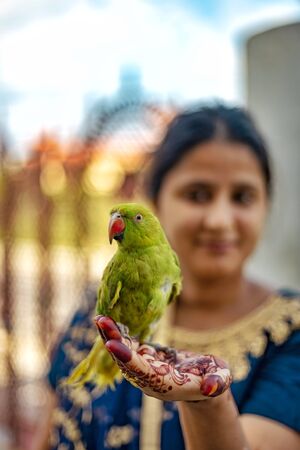

Introduction to Bird Feeding in Indian Homes
In India, feeding birds is more than just a simple daily activity; it is deeply woven into the fabric of our cultural and spiritual life. Across generations, Indian households have practised the tradition of offering grains, water, and sometimes fruits to birds as an expression of harmony with nature. This gesture is not only a mark of compassion but also carries profound religious significance. For many families, feeding birds is associated with earning blessings and good karma, which ties back to beliefs rooted in Hinduism, Jainism, and other local faiths.
During festivals such as Makar Sankranti, people scatter sesame seeds and grains on their rooftops and courtyards for sparrows, pigeons, and crows. It is believed that satisfying the hunger of these innocent creatures brings prosperity and wards off negative energy. Moreover, local customs encourage children to take part in these rituals, thereby nurturing a sense of responsibility towards wildlife from an early age. Whether in bustling cities or quiet villages, the act of feeding birds remains a common sight at dawn, symbolising hope, gratitude, and respect for all living beings.
2. Traditional Foods and Bird Feed Recipes
When it comes to feeding birds at home, Indian households have followed age-old practices, blending local wisdom with easily available foods. In many parts of India, offering food to birds is not just a daily ritual but also a way to stay connected with nature. The most commonly used grains include bajra (pearl millet), jowar (sorghum), and rice. These are staples in the Indian kitchen and form the foundation of traditional bird feed.
Common Grains and Snacks Offered
| Type of Food | Local Name | How It Is Offered |
|---|---|---|
| Pearl Millet | Bajra | Scattered on rooftops or placed in clay bowls |
| Sorghum | Jowar | Mixed with other grains for variety |
| Rice | Chawal | Cooked or raw, often sprinkled in gardens or courtyards |
| Wheat Crumbs | Roti Tukda | Leftover pieces of roti or chapati offered after meals |
Traditional Recipes for Bird Feed
A typical recipe involves mixing equal portions of bajra, jowar, and rice. Sometimes, cooked rice mixed with a bit of ghee (clarified butter) is cooled and then spread for birds to enjoy. In South Indian homes, leftover idli crumbs or dosa pieces are also given to birds, reflecting the regional diversity in feeding habits.
Cultural Notes and Local Wisdom
Elders often mention that feeding birds during early mornings brings positive energy into the home. Placing food in small mud pots or on terrace railings is considered auspicious. In Gujarat, many families set up ‘chabutras’—small platforms specifically made for feeding birds—while in North India, children are taught to break rotis into small pieces for sparrows and mynas. This practice not only supports local bird populations but also instills compassion and respect for all living beings from a young age.

3. Clay Pots, Diyas, and Feeding Platforms
In many Indian households, the practice of feeding birds is not only a gesture of kindness but also deeply rooted in cultural wisdom. Traditional utensils such as clay pots, diyas (earthen lamps), and hand-made feeding platforms are commonly used to offer food and water to birds. These items are locally crafted from natural materials, making them eco-friendly and perfectly suited for the Indian climate.
Clay Pots: A Timeless Choice
Clay pots are widely used in both rural and urban homes for providing drinking water to birds. The porous nature of clay keeps the water cool, especially during scorching summers. Placing these pots on rooftops, terraces, or courtyard walls is a familiar sight in many neighbourhoods. Often, families refill them daily as a morning ritual, believing that this act brings blessings to the household.
Diyas: More Than Just Lamps
While diyas are traditionally used for lighting during festivals like Diwali, they are repurposed throughout the year as bird feeders. Filled with grains such as bajra (pearl millet), rice, or moong dal, these small earthen bowls attract sparrows, mynas, and other local birds. Their compact size makes them easy to place on window sills or verandahs where birds can feed safely.
Handmade Feeding Platforms
Locally made feeding platforms or chabutras are another unique feature found in many Indian courtyards and gardens. These raised structures, sometimes ornately designed, provide a safe spot for birds to gather and feed away from predators. In some regions, communities collectively build large chabutras in public spaces as part of their tradition to encourage bird conservation.
Respecting Local Materials & Craftsmanship
The use of these traditional utensils reflects respect for local craftsmanship and sustainability. By choosing natural materials over plastic or metal containers, Indian families pass down age-old wisdom about living harmoniously with nature. These simple yet effective practices ensure that generations of birds continue to thrive alongside human communities.
4. Timing and Rituals: When and How to Feed
In Indian households, the act of feeding birds is not just a daily task but a mindful ritual steeped in spiritual and ecological wisdom. The timing, method, and intention behind this practice are all deeply rooted in centuries-old traditions that reflect respect for all living beings.
Customary Timings for Feeding Birds
Traditionally, many Indian families feed birds early in the morning, often just after sunrise. This time is considered auspicious in Hindu culture and aligns with the natural activity patterns of most birds. The early hours are believed to be a ‘Brahma Muhurta’—a spiritually charged period ideal for good deeds and connecting with nature.
| Time of Day | Cultural Significance | Common Practices |
|---|---|---|
| Early Morning (Sunrise) | Considered pure and auspicious; birds are most active | Spreading grains on terraces or balconies; offering water |
| Noon (Midday) | Birds seek shade and water; heat is intense | Refilling water bowls; offering leftover rice or chapatis |
| Evening (Sunset) | Signifies closure of daily activities; gratitude rituals | Light feeding for resident birds; cleaning feeding spots |
Everyday Practices Inspired by Local Wisdom
The act of feeding birds is often integrated with daily household routines. Many people reserve a small portion of their freshly cooked food—like rice, roti, or dal—to offer to birds before anyone else eats. This gesture symbolizes sharing abundance and fosters humility.
Typical Steps Followed:
- Sacred Offering: Grains or food items are offered after a brief prayer or silent gratitude.
- Cleanliness: Feeding areas are cleaned before and after feeding to maintain hygiene for both birds and humans.
- Simplicity: Food is kept simple—often raw grains, millet (bajra), or unspiced chapatis—ensuring it suits local bird species.
- Sustainability: Using clay or metal bowls instead of plastic reflects ecological awareness.
Rituals Associated with Feeding Birds
Certain days of the week or festivals bring additional significance to bird feeding. For example, on Makar Sankranti, it is customary in some regions to offer sesame seeds (til) and jaggery to crows as part of seasonal thanksgiving. Some families recite mantras or light lamps near the feeding spot to invoke blessings for family well-being and harmony with nature.
Spiritual Intentions Behind Rituals:
- Nourishing birds is seen as an act of compassion (karuna) and service (seva).
- The belief that caring for animals brings good karma and prosperity to the household.
- A daily reminder of interconnectedness between humans, animals, and the environment.
This blend of careful timing, everyday mindfulness, and rich ritual makes bird-feeding at home a cherished tradition that continues to inspire ecological balance and spiritual growth across generations in India.
5. Local Proverbs, Folk Stories, and Wisdom
Indian Proverbs Reflecting Respect for Birds
India’s rich tapestry of languages is filled with proverbs that highlight the importance of caring for birds. Phrases like “A sparrow in the house brings happiness” and “Feeding crows on Amavasya removes obstacles” are commonly heard in many Indian homes. Such sayings remind families to respect birds as messengers of fortune and harmony, reinforcing the tradition of feeding them daily.
Folk Tales Inspiring Generosity Towards Birds
Across regions, folk tales passed down through generations tell stories of kindness towards birds. In rural Maharashtra, elders narrate the tale of a farmer who shared his grains with peacocks and was blessed with a good harvest. In South India, stories about wise parrots guiding villagers to water sources are often shared with children, teaching them the value of coexistence with nature.
Cultural Wisdom on Living in Harmony with Nature
The act of feeding birds at home is woven into the daily rhythm of Indian life, rooted in the belief that every creature has its place and purpose. Traditional wisdom encourages people to offer leftover rice or roti crumbs on rooftops or balconies for sparrows and pigeons, reinforcing the idea that sharing food creates positive karma. This practice is not just about sustenance but also about fostering compassion and gratitude towards all living beings.
Respecting All Creatures: A Core Indian Value
Many Indian households recall the saying: “Jeevo Jeevasya Jeevanam”—life is sustained by life. This principle inspires families to feed birds not only out of habit but as an expression of empathy and stewardship. Whether it is through idioms, bedtime stories, or everyday rituals, traditional Indian wisdom consistently emphasizes nurturing birds as an essential part of respecting nature and maintaining balance in life.
6. Community Practices and Festivals
In India, feeding birds is not just an individual act but a community-driven tradition, especially during festivals and challenging seasons. Makar Sankranti, celebrated across the country in January, is one of the most significant occasions when communities come together to offer food to birds. On this day, people scatter til-gud (sesame seeds and jaggery) and grains on their rooftops or open grounds, believing it brings good karma and blessings. This age-old practice reflects the deep-rooted belief that birds are messengers of prosperity and peace.
During the scorching summer months, neighborhoods unite to place earthen water bowls—known locally as matka or chidiya ka pyala—in gardens, balconies, and public spaces. These bowls are regularly refilled with clean water, ensuring that thirsty birds have a respite from the heat. Often, children are encouraged by elders to participate in these activities, fostering a sense of responsibility and compassion towards nature from a young age.
Role of Resident Welfare Associations
Many Resident Welfare Associations (RWAs) and local clubs organize collective efforts to feed birds. They may arrange workshops on making bird feeders from recycled materials or coordinate schedules for maintaining community water stations. Such initiatives strengthen neighborhood bonds while promoting traditional ecological wisdom.
Shared Local Wisdom
The knowledge of what to feed different bird species—like offering rice to sparrows or millet for pigeons—is passed down through generations. Elders guide families about seasonal feeding habits, reminding everyone to avoid processed foods and instead stick to native grains that are safe and nutritious for Indian birds.
A Festival of Togetherness
Feeding birds during festivals like Makar Sankranti is more than ritual; it is a celebration of unity, compassion, and respect for all living beings. These shared customs serve as a beautiful reminder of Indias harmonious relationship with its avian friends, blending spiritual values with practical environmental care.