
Adopting Desi Pets: An Overview
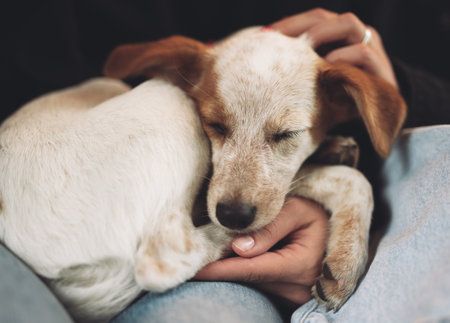
In India, the journey of pet adoption carries its own unique flavours and challenges, especially when it comes to our beloved desi dogs and cats. Unlike Western countries where purebred pets are often in demand, here in Bharat, many animal lovers open their hearts and homes to street dogs, also called Indies or strays. These resilient animals have grown up navigating the hustle and bustle of Indian streets – from dodging traffic on crowded roads to scavenging for food outside local chai tapris and biryani stalls. Over time, several NGOs and independent rescuers have stepped up their efforts, conducting sterilisation drives and vaccination camps to improve the lives of these voiceless souls. However, adopting a desi pet is not just about bringing home a furry friend; it also means understanding their psychological needs shaped by years of survival instincts. Whether you’re picking up a puppy rescued from a busy Mumbai lane or giving an older street dog a second chance in your Delhi flat, knowing the local context is crucial. Indian families adopting pets must be aware that these animals may carry emotional scars due to abandonment, hunger, or harsh treatment on the streets. Thus, the process of welcoming an adopted pet in India goes beyond paperwork—it involves patience, empathy, and a deep commitment to helping them heal and adjust to their new life.
Common Psychological Challenges Among Adopted Pets
In India, adopted pets—especially dogs and cats rescued from streets, shelters, or previous homes—often arrive with a unique set of psychological challenges. Understanding these issues is essential for pet parents to provide the right support and build trust. Let’s explore the most common emotional and behavioural hurdles faced by adopted animals in the Indian context.
Anxiety and Fear
Many adopted pets experience anxiety, which can manifest as restlessness, excessive barking or meowing, destructive behaviour, or attempts to escape. The bustling Indian environment—with its loud traffic noises, frequent visitors, and celebrations—can be overwhelming for sensitive animals. Fear of humans is also widespread, particularly among street rescues who may have faced mistreatment or neglect.
Trauma from Past Experiences
Pets rescued from abusive situations or harsh street conditions often carry deep-seated trauma. These animals may react unpredictably to certain triggers, such as raised voices or sudden movements. Trauma can result in withdrawal, aggression, or submissive urination—behaviours that are sometimes misunderstood by new pet parents.
Typical Psychological Issues in Adopted Pets
| Issue | Common Signs | Indian Context Examples |
|---|---|---|
| Anxiety | Pacing, hiding, excessive vocalisation | Scared by Diwali fireworks, honking traffic |
| Fear of Humans | Cowering, avoidance, trembling | Hiding under furniture when guests visit |
| Past Trauma | Aggression, withdrawal, overreaction to touch | Biting when approached suddenly; scared of brooms due to previous abuse on streets |
| Lack of Socialisation | Nervousness around other pets/people | Barking at neighbours’ pets; shying away during colony walks |
| Separation Anxiety | Destructive behaviour when left alone | Crying or chewing furniture when family goes out for work or shopping at the market |
Cultural Sensitivities and Local Factors
Indian households often have a high level of activity, frequent guests, and domestic help—all of which can be stressful for newly adopted pets. Additionally, the climate (extreme heat or monsoons), crowded living spaces, and exposure to other street animals add layers of complexity to their adjustment. Recognising these signs early helps in creating a supportive environment tailored to the needs of each rescued animal.

3. Influence of Indian Household Culture
When we talk about the mental health of adopted pets in India, we must consider the unique dynamics of Indian households. Many Indian families are joint or extended, with several generations living under one roof. While this can mean more people to shower affection on pets, it may also create confusion and anxiety for a newly adopted animal struggling to understand its place within such a bustling environment. Pets might be overwhelmed by the attention from multiple family members, especially children who may not always know how to interact gently. The constant presence of people in the home can reduce opportunities for rest and solitude, potentially leading to behavioural issues like withdrawal or aggression.
Indian festivals like Diwali, Holi, and Ganesh Chaturthi bring their own set of challenges. Loud crackers, bright lights, large gatherings, and sudden changes in routine can cause significant stress to pets unused to such environments. Animals adopted from quieter shelters or rural settings may find urban festivities particularly distressing, triggering anxiety symptoms such as shaking, hiding, loss of appetite, or even running away in panic.
Urban life in India is another factor influencing an adopted pet’s psychological well-being. High-density traffic, noisy neighbourhoods, and limited green spaces can make walks stressful rather than enjoyable. Many pets develop noise phobias due to constant honking and construction sounds. For those rescued from streets or harsh conditions, these triggers can resurface traumatic memories, making adaptation harder.
Societal attitudes also play a crucial role. While pet adoption is gaining popularity in cities like Mumbai, Bengaluru, and Delhi, there is still a stigma attached to adopting Indies (Indian Pariah Dogs) or older animals. Some neighbours or relatives may not be supportive or might openly express discomfort around pets—sometimes leading adopters to isolate their animals or restrict their movements within the house. This lack of acceptance can contribute to feelings of insecurity and loneliness in pets.
To help adopted pets adjust psychologically, families should ensure a consistent routine and provide safe spaces where animals can retreat during overwhelming events like festivals or family gatherings. Education about gentle handling for children and adults alike is essential. Gradually introducing pets to urban sounds through positive reinforcement can help desensitise them over time. Most importantly, showing patience and understanding goes a long way in helping adopted pets feel secure amidst the complexities of Indian household culture.
4. Role of Vets, NGOs, and Community in Recovery
When it comes to helping adopted pets overcome psychological issues in India, a collective approach works best. The involvement of local veterinarians, animal welfare NGOs, and community groups like Resident Welfare Associations (RWAs) is essential for creating a supportive ecosystem around rescued animals. Let’s look at how each plays a key role:
Local Veterinarians: First Line of Support
Vets are usually the first professionals pet parents turn to when noticing behavioural changes or signs of trauma in their adopted dogs or cats. Indian vets are increasingly trained not only to diagnose physical ailments but also to identify anxiety, depression, and PTSD symptoms common among rescued animals. Many urban clinics now offer basic counselling guidance and can recommend specialised animal behaviourists if needed.
Animal Welfare NGOs: Providing Resources & Education
NGOs such as Blue Cross of India, CUPA Bangalore, and Friendicoes Delhi have become pillars for both education and rehabilitation. They run workshops on positive reinforcement training, organise adoption drives with post-adoption support, and provide helplines for behavioural advice. Some even collaborate with local trainers and psychologists to conduct therapy sessions for traumatised pets.
Key Support Services Offered by NGOs
| NGO Name | Support Offered | Cities Active In |
|---|---|---|
| Blue Cross of India | Counselling, workshops, medical aid | Chennai & Nearby Areas |
| CUPA Bangalore | Training sessions, helplines, foster care network | Bangalore |
| Friendicoes SECA | Behavioural therapy, adoption follow-up visits | Delhi NCR & North India |
Resident Welfare Associations (RWAs): Building Inclusive Communities
In Indian cities, RWAs often shape attitudes towards pets within housing societies. Progressive RWAs support new pet parents by circulating guidelines on responsible pet ownership and organising meet-ups for socialising adopted pets with other community animals. This helps reduce isolation and speeds up social adjustment for both the animal and its family.
Together Towards Better Recovery Outcomes
The synergy between vets, NGOs, and local communities ensures that psychological recovery is not just the responsibility of the adopter but a shared mission. By leveraging these networks, pet parents in India can create an environment where adopted animals feel safe, understood, and truly at home.
5. Everyday Solutions for Indian Pet Parents
Adopting a pet in India is a rewarding journey, but it comes with unique challenges and responsibilities. Many adopted pets may arrive with psychological issues like anxiety, trust issues, or fear of new environments. As a pet parent, understanding their needs and adapting to their background is crucial for their well-being. Here are some practical, India-specific solutions to help your adopted furry friend settle in.
Building Trust Through Patience and Routine
Trust is not built overnight, especially with pets that have experienced trauma or frequent changes. For Indian pet parents, consistency is key. Try to maintain predictable daily routines—feeding, walks, playtime, and even quiet time should happen at set hours. Use gentle words in regional languages your pet might recognize; Hindi, Tamil, Bengali, or any local dialect often comfort pets more than English commands.
Creating Safe Spaces at Home
Your home should offer your adopted pet a secure zone where they can relax without fear. In Indian households, this could be a corner with their bedding away from the main entrance or busy areas like the kitchen. Consider using locally available materials such as cotton rugs or old sarees for bedding—they carry familiar smells and textures. If you live in an apartment, ensure windows and balconies are safe so your pet can watch outside activity without risk.
Incorporating Regional Dietary Practices
Many adopted pets in India might be used to home-cooked meals rather than commercial kibble. Slowly transition them to nutritious diets that blend both worlds—dal (lentils), rice, boiled eggs, curd (yogurt), chicken, and select vegetables are commonly accepted by Indian pets. Avoid foods that are toxic to animals (like onions or chocolate) and consult a vet for advice tailored to your region’s climate and ingredients.
Daily Activities Tailored for Adopted Pets
Keep your adopted pet engaged with regular walks—early mornings or late evenings are best in most Indian cities due to weather conditions. Short play sessions using local toys like coconut shells or knotted cloth ropes can build confidence and bond you closer. Respect your pet’s pace; some might take longer to open up or join family activities.
Seek Community Support
Connect with neighborhood pet groups or local NGOs—they often share tips specific to your city or state’s culture and environment. Sometimes just chatting with other Indian pet parents who have adopted can make you feel less alone and provide ideas you wouldn’t find elsewhere.
By embracing these everyday solutions rooted in Indian culture and practical realities, you help your adopted pet feel secure and loved—a foundation for lifelong companionship.
6. When to Seek Professional Help
Adopted pets in India can sometimes show behavioural or psychological issues that are difficult for families to manage alone. Recognising the signs that require professional intervention is crucial for your pet’s well-being. If your dog or cat displays persistent aggression, excessive fear, self-harming behaviours like over-grooming, or withdrawal from family members, it may be time to consult an expert. Other red flags include sudden loss of appetite, destructive chewing, inappropriate elimination, or continuous vocalisation, especially when these behaviours do not improve with patience and basic training at home.
In the Indian context, it is important to find animal behaviourists and trainers who understand the unique challenges faced by adopted pets here—be it street dogs (desi dogs), rescues from shelters, or animals adapting to busy city life. Look for certified professionals with experience in Indian settings; they will have a better grasp of local triggers such as noise pollution, crowded environments, and common socialisation gaps in Indian pets.
Word of mouth is powerful in India—ask your local vet, friends in the neighbourhood, or community WhatsApp groups for recommendations. Many metro cities now have specialised animal behaviour clinics and trainers who use positive reinforcement techniques rather than outdated punishment-based methods. Online platforms and NGOs like Blue Cross, CUPA Bangalore, and Friendicoes Delhi also maintain lists of trusted professionals. Remember, early intervention by a qualified trainer or animal psychologist can make a huge difference in helping your adopted pet settle into their new Indian home with confidence and happiness.
7. Success Stories: From Stray to Family
India is home to countless stray animals, many of whom have experienced harsh conditions and psychological trauma. However, there are numerous heartwarming stories that prove how love, patience, and the right environment can help adopted pets overcome their difficult pasts. For example, Chintu, a street dog from Mumbai, was extremely timid and would hide at the slightest sound. After being adopted by a caring family, he received consistent affection and gentle training. Today, Chintu is not only confident but also participates in local pet events, showing off his new-found trust in humans.
Similarly, Meenu, a rescued Indian cat from Delhi, struggled with severe anxiety and would refuse food or interaction. Her adoptive family worked closely with a vet and followed regular routines, using toys and treats to slowly build her confidence. Over time, Meenu blossomed into a playful companion who now enjoys curling up beside her family members every evening.
These inspiring journeys highlight that with proper psychological care—like gradual socialisation, positive reinforcement, and understanding each pet’s unique needs—adopted animals can thrive in Indian homes. The support of local communities, NGOs like Blue Cross of India or CUPA Bangalore, and increasing awareness about pet mental health are making a tangible difference. These success stories encourage more families across India to consider adoption and provide loving homes to animals in need.