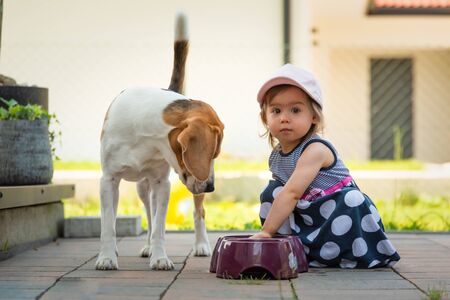

Introduction to Pets in Indian Families
In recent years, pet ownership in India has seen a remarkable rise, reflecting not only changing lifestyles but also evolving attitudes towards animals within families. Traditionally, Indian culture has maintained a unique relationship with animals, viewing them as symbols of spirituality, prosperity, and companionship. While rural households have long kept animals such as cows, goats, and dogs for both utility and affection, urban families are increasingly embracing pets—especially dogs, cats, birds, and even exotic species—as cherished members of the household. This shift signifies more than just a trend; it highlights a growing bond between children and pets that is influencing family dynamics across the country. Today, pets are seen not just as protectors or status symbols but as companions who play a vital role in childrens emotional and psychological development. As Indian society becomes more open to the idea of pets as integral family members, understanding the impact they have on children’s mental growth becomes all the more important.
Emotional Benefits for Children
In many Indian families, especially those following the joint family system, pets play a significant role in nurturing children’s emotional health. Pets such as dogs, cats, or even birds can become companions and confidants for children, providing a comforting presence during times of stress or loneliness. Emotional support from pets is particularly valuable in urban Indian settings where both parents might be working and children can sometimes feel isolated.
Pets help reduce feelings of loneliness by offering unconditional love and companionship. This is essential in Indian households where extended family members may not always be present due to work or migration. For children growing up without siblings or with limited peer interaction, pets become trusted friends, filling important emotional gaps.
Moreover, caring for a pet teaches Indian children about empathy and compassion. Feeding, grooming, and playing with animals instill a sense of responsibility and understanding towards other living beings—qualities that are celebrated in Indian values. These lessons are often reinforced within the joint family setup, where grandparents and elders participate in guiding children on how to treat pets with kindness.
Emotional Wellbeing: Impact of Pets in Indian Family Dynamics
| Aspect | Role of Pets | Joint Family Influence |
|---|---|---|
| Loneliness Reduction | Pets provide consistent companionship to children who may be alone after school or during holidays. | Elders encourage bonding activities like walking the dog together, strengthening intergenerational ties. |
| Empathy Development | Caring for pets fosters sensitivity and respect for all life forms. | Joint families model compassionate behaviour which children emulate while interacting with pets. |
| Emotional Support | Pets offer comfort during stressful situations (exams, parental absence). | Family rituals involving pets create shared joyful experiences for children and elders alike. |
The emotional benefits provided by pets are thus amplified in Indian households that value collective upbringing. The synergy between pets and joint family members not only supports the mental wellbeing of children but also promotes a nurturing environment where empathy and emotional intelligence can flourish.

3. Cognitive and Social Development
For many Indian families, the presence of a pet is more than just companionship; it is a catalyst for childrens cognitive and social growth. Through daily interactions such as feeding, grooming, and playing, children learn essential life skills that are deeply valued in Indian culture.
When children take responsibility for a pets care—be it walking a dog in the early morning or ensuring a bowl of fresh water for their parrot—they develop a sense of duty and discipline. These routines nurture time management skills and help children understand the importance of commitment, echoing the traditional Indian values of seva (service) and paropkar (helping others).
Moreover, pets provide opportunities for children to enhance their social skills. Whether its sharing stories about their pets with school friends or involving siblings in playtime, these interactions encourage communication, empathy, and teamwork. In joint family systems common across India, caring for pets often becomes a collective activity, strengthening familial bonds and fostering cooperation among cousins and relatives.
The playful moments spent with pets also stimulate cognitive development. Games that involve training or teaching pets new tricks promote problem-solving abilities and patience. These activities can be especially beneficial in urban Indian settings, where outdoor play may be limited due to space constraints; engaging with pets indoors ensures children remain active both mentally and physically.
Overall, integrating pets into Indian households not only enriches childrens everyday experiences but also supports their holistic development. The lessons learned from caring for animals—responsibility, routine, empathy, and communication—are fundamental building blocks that shape well-rounded individuals equipped to navigate the complexities of modern Indian society.
4. Pets as Stress Relievers
In the Indian educational landscape, children often face immense academic pressure and exam-related stress. The competitive environment, high expectations from parents, and a culture that values scholastic achievement can make stress an everyday reality for many youngsters. In such settings, pets play a unique role as natural stress relievers, offering companionship and emotional support that is both immediate and unconditional.
The Indian Context: Academic Stress Among Children
Academic pressure is particularly intense during board exams and competitive entrance tests like JEE or NEET, which are milestones in the lives of Indian students. This constant drive to excel can lead to anxiety, sleep disturbances, and even burnout at a young age.
How Pets Help Children Cope
Pets provide comfort by simply being present. Interacting with dogs, cats, birds, or even rabbits allows children to momentarily disconnect from their worries. Scientific studies show that petting animals helps release oxytocin—a hormone associated with happiness—and reduces cortisol levels, which are linked to stress.
Common Benefits Experienced by Indian Children Living With Pets
| Benefit | Description | Indian Family Example |
|---|---|---|
| Emotional Support | Pets offer non-judgmental companionship during tough times. | A child hugging their dog after a long study session feels comforted. |
| Distraction from Stress | Playing with pets acts as a healthy distraction from exam worries. | Children playing cricket with their pet in the backyard to relax before exams. |
| Physical Activity | Taking pets for walks encourages movement, which relieves tension. | Morning walks with a family dog before school help clear the mind. |
| Routine & Responsibility | Caring for a pet establishes a routine that brings stability amidst chaos. | Feeding or grooming pets adds balance to hectic study schedules. |
Cultural Insights: Pets in Joint and Nuclear Families
Whether in joint families in cities like Delhi or nuclear setups in smaller towns, pets have seamlessly become part of the Indian household fabric. Grandparents often notice the calming effect pets have on grandchildren during stressful times. Sharing stories with friends about “how my puppy helped me before the board exams” is becoming increasingly common among Indian students.
In summary, integrating pets into Indian homes does more than add joy—it provides children with a much-needed buffer against academic stress, helping nurture mentally resilient individuals ready to face life’s challenges.
5. Cultural and Traditional Views
India’s rich tapestry of culture and tradition deeply influences how families perceive animals and pets. Traditionally, animals have been revered and integrated into daily life in various ways across the country. For instance, cows are considered sacred in Hinduism, and elephants symbolize wisdom and good fortune, often associated with Lord Ganesha. These religious associations create a natural sense of respect and empathy towards animals among children from a young age.
In many Indian households, stories from ancient texts such as the Panchatantra and Jataka tales use animals as central characters to teach moral lessons, kindness, and responsibility. Such narratives help children develop positive attitudes towards pets, seeing them not just as companions but as sentient beings worthy of care and compassion.
However, traditional views can also vary regionally. In some communities, dogs and cats are welcomed indoors as part of the family, while in others, there may be reservations due to cultural or religious beliefs regarding cleanliness or spiritual purity. Despite these differences, the overarching theme remains that animals play an important role in teaching children empathy, patience, and emotional resilience.
Moreover, festivals like Nag Panchami or Govardhan Puja reinforce the significance of animals in cultural rituals, allowing children to witness firsthand the respect accorded to various creatures. Through these experiences, Indian children learn to value pets not only for companionship but also as integral parts of their social and spiritual fabric.
6. Challenges and Considerations
While the positive impact of pets on children’s mental growth in Indian families is significant, there are practical challenges and cultural considerations that must be addressed. One of the main concerns for many Indian parents is allergies. With India’s diverse climate and environment, children may be prone to respiratory allergies, especially when exposed to pet dander or fur. It is essential for parents to consult a paediatrician before bringing a pet home, particularly if there is any family history of asthma or skin sensitivities.
Hygiene is another important factor. In many Indian households, maintaining cleanliness can be challenging due to space constraints or extended family living arrangements. Pets require regular grooming and cleaning, and their living spaces should be kept separate from kitchen and prayer areas—a practice aligned with many traditional Indian values. Teaching children about handwashing after handling pets and ensuring pets are regularly vaccinated will help maintain a healthy environment for all family members.
Commitment is also a vital consideration. Caring for a pet demands time, effort, and financial resources. Indian families should discuss responsibilities openly—who will feed the pet, take it for walks, or visit the vet? In joint families, roles can be shared among members; in nuclear families, parents need to ensure children understand the long-term responsibility involved.
Culturally, some Indian families may have reservations due to religious beliefs or traditional practices around animals in the home. It’s important for parents to respect these views while exploring ways pets can fit into their lifestyle. For example, some families may prefer birds or fish over cats or dogs due to space limitations or cultural preferences.
By addressing these practical concerns—health, hygiene, responsibility, and cultural values—Indian parents can make informed decisions about pet ownership. With careful planning and open communication within the family, pets can become valuable companions who support children’s emotional development without compromising household harmony.
7. Conclusion and Recommendations
Bringing a pet into your Indian household is not just about adding a companion, but nurturing the holistic mental growth of your children. As discussed, pets teach empathy, responsibility, and enhance emotional resilience in young minds. They bridge generational gaps within joint families, foster positive habits, and encourage more active lifestyles. For Indian families considering this step, it is important to assess your living space, family routines, and the collective readiness to care for another life. Choose a pet that aligns with your child’s age, temperament, and the family’s cultural or religious values. Ensure regular interactions between children and pets under adult supervision to promote safe bonding and mutual respect. Prioritise the physical health of both children and pets through timely vaccinations, hygiene practices, and scheduled veterinary visits. Lastly, remember that the journey of raising children with pets is an ongoing process—one that demands patience, open communication, and continuous learning. By welcoming a pet thoughtfully, Indian families can create a nurturing environment that supports their children’s emotional intelligence and lifelong happiness.