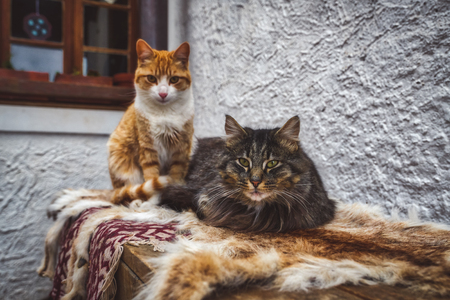

Introduction: Furry Companions in Indian Homes
In the vibrant tapestry of Indian family life, cats have quietly woven themselves into the everyday rhythm of homes across the country. While dogs often steal the spotlight, our feline friends have a subtle yet deeply cherished presence. From bustling city apartments in Mumbai to peaceful village courtyards in Kerala, cats glide through Indian households with an effortless grace, bringing their own kind of warmth and magic. Many of us remember those childhood evenings when a gentle meow signaled the arrival of a beloved family cat, its eyes full of wisdom and mischief. Whether curling up beside a grandmother during her afternoon chai or playfully pouncing on a child’s thread spool, cats become silent witnesses and gentle companions to our daily lives. Their presence is more than just ornamental; it is woven into the emotional fabric of our families, offering comfort, joy, and a unique companionship that only a true cat-lover can understand.
Historical and Mythological Significance
In the tapestry of Indian culture, cats have gracefully woven themselves through centuries of stories, beliefs, and gentle superstitions. While often overshadowed by more prominent animals like cows or elephants, cats hold their own unique space in the heart of Indian mythology and history. Their presence is subtle yet deeply meaningful, much like a cat’s soft paw quietly padding across an ancient courtyard.
The Divine Connection: Goddess Shashthi
Perhaps the most cherished feline association in India is with Goddess Shashthi, revered as the protector of children and mothers. This goddess is often depicted riding a cat, her loyal companion and symbol of fertility, care, and feminine strength. In many Bengali households, especially during the Shashthi Puja, women offer prayers to both the goddess and her feline vahana (vehicle), seeking blessings for family health and harmony. This gentle belief endears cats to many Indian families, who see them as bringers of good fortune when treated kindly.
Cats in Local Folk Tales
Cats also purr their way through countless folk tales across Indian states. Whether it’s the clever cat outwitting a greedy jackal in a Rajasthani story or the patient moggy safeguarding granaries from mischievous mice in Kerala legends, these tales reflect both admiration and respect for the cat’s wit and resourcefulness. Through these stories, children learn that compassion towards even the smallest animals brings blessings to the home.
Symbolism Across Regions
| Region | Cultural Symbolism | Common Belief |
|---|---|---|
| Bengal | Companion of Goddess Shashthi | Cats bring protection for children |
| South India | Guardian against pests | Cats are seen as house protectors |
| Rajasthan | Wit and cleverness in folktales | Cats teach moral lessons to children |
| Maharashtra | Associated with prosperity rituals | Treating cats well brings good luck |
This delicate interplay between mythology and daily life shows how Indian families have long held a soft corner for their feline friends. The gentle presence of a cat—sometimes mysterious, sometimes playful—echoes through generations as a symbol of protection, wisdom, and quiet companionship.
3. Cultural Beliefs and Regional Variations
India, a tapestry of vibrant cultures and traditions, brings together many beliefs about cats that are as diverse as the country itself. In some communities, our feline companions are seen as auspicious creatures, believed to bring good fortune and prosperity to households. For example, in parts of West Bengal, spotting a cat crossing one’s path is considered lucky, especially during certain festivals or important occasions. On the other paw, there are regions where cats inspire a sense of mystery—perhaps due to their graceful nocturnal wanderings or their mesmerizing eyes that seem to hold ancient secrets.
Across states, charming local names reveal how deeply cats are woven into Indian family life. In Tamil Nadu, a beloved cat might be called “Poonai,” while in Kerala, she could be affectionately addressed as “Pucha.” In Gujarat, “Biladi” is a common term, echoing through homes where cats curl up peacefully on sunlit verandas. These names are often whispered lovingly by grandmothers as they watch the cats weave between ankles during evening tea time.
Some folk tales celebrate the cleverness of cats—such as the stories from Rajasthan where the cat’s wit outsmarts even foxes and jackals. Other narratives from Maharashtra see cats as gentle guardians who keep away harmful spirits with their presence. No matter where you go in India, whether in busy city apartments or quiet rural courtyards, these cultural beliefs and delightful regional names highlight the unique place our furry friends hold in the heart of every Indian family.
Daily Life and Rituals: Cats in Indian Homes
In the gentle rhythm of Indian households, cats weave themselves quietly yet gracefully into daily routines and rituals. As a devoted cat lover, I can’t help but notice how these elegant creatures add a special warmth to even the simplest moments, from the first rays of sunlight streaming through open windows to the soft purrs that accompany our cherished chai time. Across India, whether in a bustling city apartment or a serene rural home, cats have found their own little corners in our lives, and their presence is both comforting and significant.
Cats at Chai Time: A Shared Moment
Every morning or evening, as families gather for their steaming cups of chai, it’s not unusual to find a furry companion curling up nearby. There’s something magical about sharing these peaceful pauses with a cat gently purring by your side or playfully chasing the rising steam. For many Indian families, this is more than a routine; it becomes a daily ritual where bonds are quietly strengthened and affection flows just like the aroma of freshly brewed tea.
Temple Cats: Guardians and Blessings
Indian temples are often home to community cats who are lovingly cared for by priests and devotees alike. These temple cats are seen as gentle guardians, believed by some to bring blessings and positive energy. Watching them roam freely among incense smoke and flower offerings is a reminder of the quiet harmony between humans, spirituality, and nature in Indian culture.
Cats’ Subtle Participation in Daily Rituals
Cats may not always take center stage during family rituals, but their involvement is beautifully understated. Whether they sit near the altar during a small puja at home or simply observe from afar as prayers are recited, their silent companionship adds an extra layer of calmness to spiritual practices. Their innate ability to sense moods makes them perfect partners during moments of meditation or reflection.
How Cats Blend into Indian Daily Life
| Daily Activity | Cats Role | Emotional Impact |
|---|---|---|
| Chai Time | Purring companions, sitting close by or on laps | Comfort, warmth, relaxation |
| Puja/Prayer Rituals | Sitting silently near the altar or watching respectfully | Calmness, enhanced focus |
| Evening Gatherings | Lounging among family members, accepting gentle pets | Togetherness, joy, affection |
| Temple Visits | Acting as gentle guardians within temple grounds | Blessings, sense of peace and protection |
Their involvement may appear subtle to outsiders, but for those who share their homes with cats, these feline friends are integral threads in the fabric of daily Indian life—adding love, tranquility, and a dash of playful mischief wherever they go.
Cats and Family Bonds
In the gentle tapestry of Indian family life, cats often play a quiet but profound role in weaving hearts together. These furry companions, with their soft paws and curious whiskers, create moments that linger like the scent of jasmine on a summer evening. Many Indian families share tender stories about how their beloved cats become silent teachers of empathy for children. When a little one learns to gently stroke a cat or offer it a bowl of warm milk, they discover the language of compassion—one that transcends words and becomes a way of being. Grandparents, too, find solace in the purring presence of their feline friends. In bustling cities like Mumbai or peaceful towns in Kerala, elderly members often speak of how the company of a cat eases loneliness and brings comfort during quiet afternoons. Some say that a cat curling up beside them is as soothing as hearing an old Bollywood song float through the air. Across generations, cats help bridge gaps between busy parents and playful children. The simple act of caring for a family pet—feeding, grooming, or playing—becomes an opportunity for family members to connect and share responsibilities. In many households, its not uncommon to see siblings giggling together as they dangle toys before their mischievous feline or to witness parents unwinding after a long day by watching their cat chase sunbeams across the floor. From Diwali celebrations where cats don festive collars to everyday scenes of sharing a nap on cool tiled floors, these animals foster warmth and unity within the home. Their presence reminds us that love can be soft-footed and subtle, making even the most ordinary day sparkle with affection.
6. Modern Indian Cat Culture
In recent years, the landscape of cat companionship in India has transformed in the most heartwarming ways. As a devoted cat lover, I have witnessed how young Indians are now embracing cats not just as pets, but as cherished family members—sometimes even as furry children! The days when cats were mostly admired from afar or associated with superstitions are gracefully fading, making room for a new era of ‘cat parenthood’ that sparkles with love and creativity.
The Joy of Adoption: A Growing Trend
Across metropolitan cities like Mumbai, Bengaluru, and Delhi, there’s a delightful surge in cat adoption. Young professionals and families alike are increasingly choosing to adopt desi (Indian native) cats from shelters rather than buying pedigree breeds. This shift reflects not only compassion but also a growing awareness about animal welfare. Adopting a street kitty has become a badge of honour—a gentle act that says, “I care for my city’s little souls.”
Cat Cafés: A Purrfect Meeting Spot
Cat cafés have blossomed in India’s urban hubs, becoming havens for both humans and their feline companions. These cozy spaces allow people—whether seasoned cat parents or curious first-timers—to experience the joy of cuddling and playing with cats over chai and samosas. For many who cannot keep pets at home, these cafés provide much-needed feline therapy and foster adoption awareness in a relaxed environment.
Instagram-Famous Street Kitties
It’s impossible to talk about modern Indian cat culture without mentioning our beloved Instagram celebrity kitties! From the charismatic ‘Billi Raja’ of Kolkata to the playful ‘Chai’ from Pune, street-adopted cats have become online sensations. Their daily adventures—chasing monsoon raindrops or napping on a scooter seat—capture the hearts of thousands. These accounts not only spread joy but also challenge stereotypes about street cats by showing their unique personalities and resilience.
Redefining Cat Parenthood
Young Indians are proudly taking on the role of ‘cat parents’, a term that speaks to deep emotional bonds and responsibility. It is common now to see birthday parties thrown for kitties, custom-made jholas (cloth bags) for carrying cats around town, and dedicated WhatsApp groups where cat lovers exchange advice and stories. This generation understands that being a cat parent means more than just providing food—it’s about creating an environment where cats feel loved, safe, and respected as individuals.
The modern Indian family is evolving, and so is its relationship with our purring companions. Through adoption, social media stardom, creative hangouts like cat cafés, and heartfelt daily rituals, young Indians are reshaping what it means to share life with a cat—making every home just a little warmer and every heart a little fuller.
7. Conclusion: Paws, Whiskers, and Indian Hearts
As we pause to reflect with a cat’s gentle gaze on the special place our whiskered companions hold in the tapestry of Indian family life, it becomes clear that cats are far more than mere pets. Their soft paws have tiptoed into the corners of our homes and hearts, weaving themselves into daily rituals, festivals, and quiet afternoons alike. With every contented purr and playful leap, they remind us of the gentle joys that make up the rhythm of Indian living. Cats have been silent witnesses to generations gathering for chai, children’s laughter echoing through verandas, and elders recounting stories from ancient times. They inspire patience, evoke affection, and teach us to cherish every moment—whether it is a busy morning in a bustling Mumbai flat or a serene evening in a rural Tamil Nadu courtyard. In their delicate presence, we find echoes of our own yearning for connection and comfort. For every Indian family who has welcomed a feline friend, the bond transcends language and tradition; it is written in shared glances during monsoon rains and in the warmth found curled beside us after long days. As cat lovers across India know so well, these beloved creatures help stitch together the fabric of our lives with threads of kindness, mystery, and love—reminding us always that even amidst life’s chaos, there is room for tenderness and quiet companionship.